

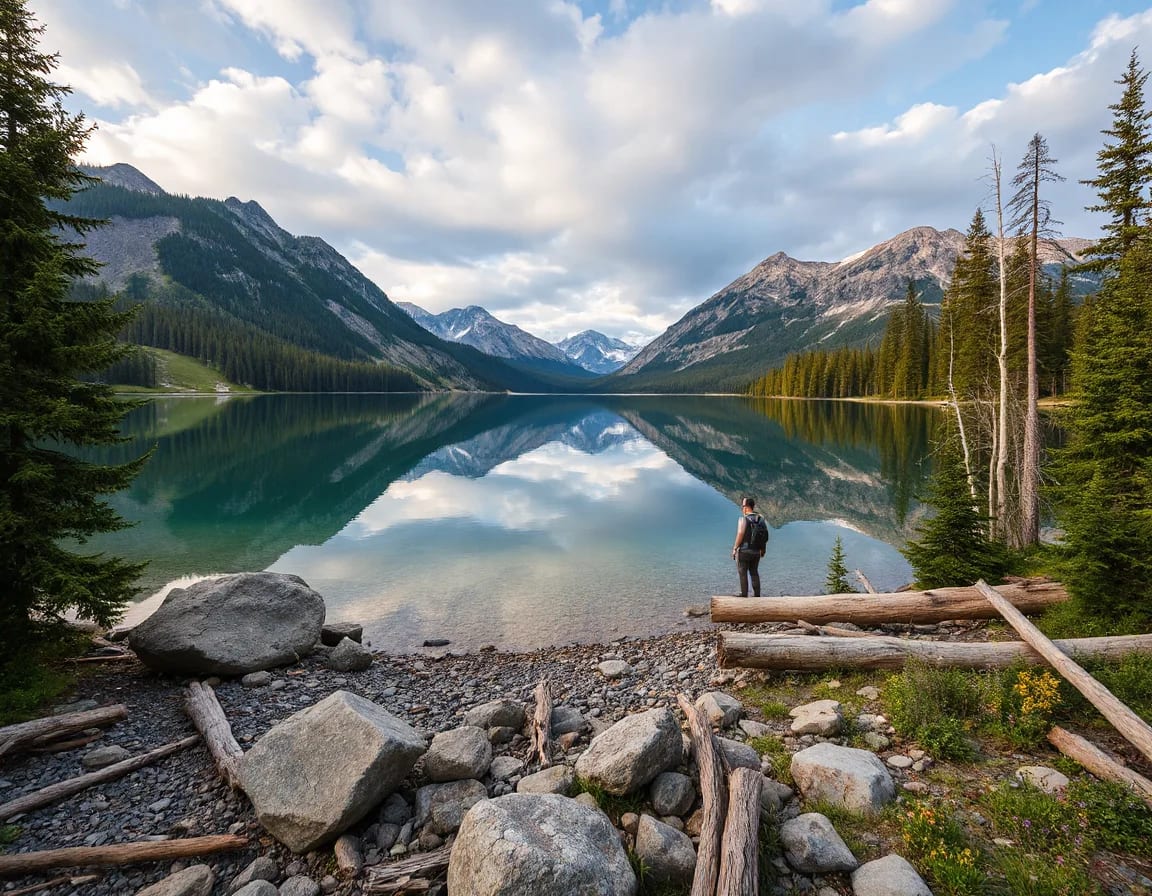
A Sandpoint home search often comes down to a meaningful choice: closer access to Lake Pend Oreille, a shorter trip to town services, or more land and breathing room. The best fit is rarely the property with the longest feature list; it is the one whose everyday trade-offs match how you intend to use it. These seven comparisons can help turn a broad search into a more confident plan.
Start With the Way You Want a Typical Week to Work
Sandpoint offers a compelling mix of waterfront scenery, an active town center, wooded settings, and rural parcels throughout the surrounding North Idaho landscape. That variety is a strength, but it can make an online search feel like a comparison between entirely different lifestyles. A home close to town may simplify errands and appointments, while a larger parcel outside the core may offer more separation between homes. A property near the water can put shoreline views and recreation closer to home, but “near the lake” can mean very different things from one listing to the next.
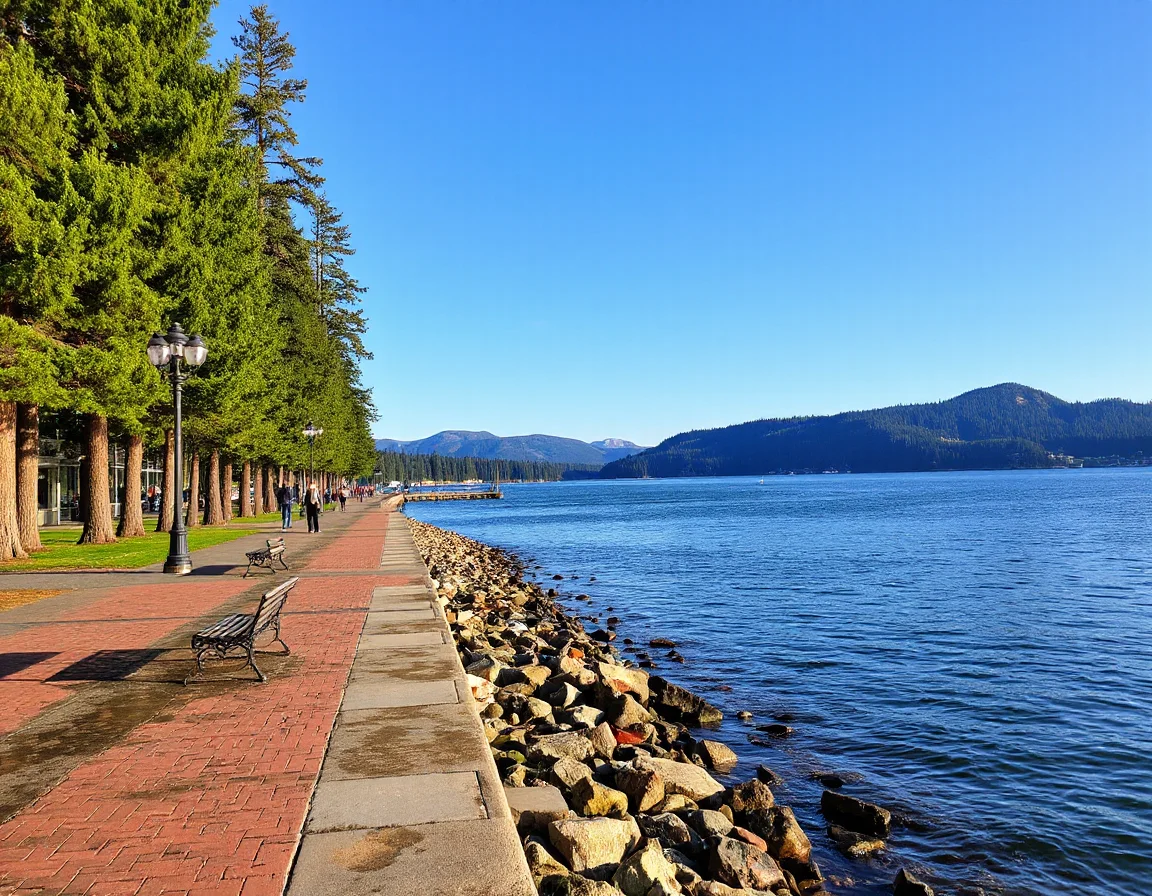
The useful question is not simply, “What can I get?” It is, “What will make a Tuesday afternoon easier, more enjoyable, or less expensive?” Consider the routes you expect to drive regularly, the space you want to maintain, the views that matter most, and whether recreation is something you want at your doorstep or within a short drive. Those answers create a practical filter before bedrooms, finishes, and photos start competing for attention.
It also helps to separate a property’s permanent attributes from its changeable ones. Acreage, road setting, proximity to the lake, and distance to town are hard to alter. Paint colors, appliances, landscaping details, and lighting can often be updated over time. Focusing first on the fixed characteristics can keep a search grounded when a polished interior or an especially photogenic view creates momentum.
A listing described as “lake access” may refer to a nearby public launch, a shared easement, a community feature, or direct frontage. Confirm the exact access type, location, rules, and any associated costs before treating it as a core property benefit.
The First Four Trade-Offs: Water, Time, Roads, and Upkeep
1. Lake proximity versus direct lake access
Being close to Lake Pend Oreille can mean easier access to beaches, marinas, viewpoints, and outdoor recreation, even without waterfront ownership. Direct waterfront can deliver a distinct setting and immediate connection to the shoreline, but it may also involve additional due diligence. Shoreline conditions, docks, permits, easements, seasonal water levels, and maintenance responsibilities deserve careful review. A home several minutes from the water may offer a different value equation while still keeping lake activities convenient.
2. Town convenience versus a more secluded setting
Homes nearer central Sandpoint can put dining, services, community events, trails, and daily errands within a shorter trip. That convenience may come with smaller parcels, nearby activity, or a more established neighborhood pattern. Properties farther from town can offer greater privacy, larger lots, and a more natural setting, while requiring additional time for groceries, appointments, and routine supply runs. Neither option is automatically better; the deciding factor is how often that additional drive will be part of your schedule.
3. Paved routes versus rural-road realities
Road access is easy to overlook during a sunny showing. Ask how the home is reached in different weather, whether the road is public or privately maintained, and how maintenance costs are allocated. A rural location may involve gravel surfaces, steeper grades, shared road agreements, or snow-removal planning. These details influence more than convenience: they can affect delivery access, insurance considerations, vehicle wear, and the time required to leave or return home.
4. Acreage versus the work it requires
A larger parcel can provide room for gardens, outbuildings, recreation, equipment, or simply more open space between properties. It can also introduce recurring projects: mowing, tree management, fencing, drainage, driveway care, and monitoring for seasonal conditions. Before pursuing acreage, estimate not only the land you want but the amount of maintenance you are ready to coordinate personally or through local service providers. The right amount of land should feel useful rather than like an unplanned second job.
Three More Comparisons That Shape Long-Term Satisfaction
5. A dramatic view versus functional outdoor space
Views of the water, mountains, or forest can be a powerful part of a Sandpoint property’s appeal. Still, take time to examine the usable portion of the site. Is there level space for the outdoor activities you envision? How does sun exposure change through the day? Are there slopes, retaining areas, mature trees, or drainage patterns that affect how the yard functions? A memorable view can be a wonderful daily feature, but a practical outdoor area may matter just as much over years of ownership.
6. Lower purchase complexity versus property-specific due diligence
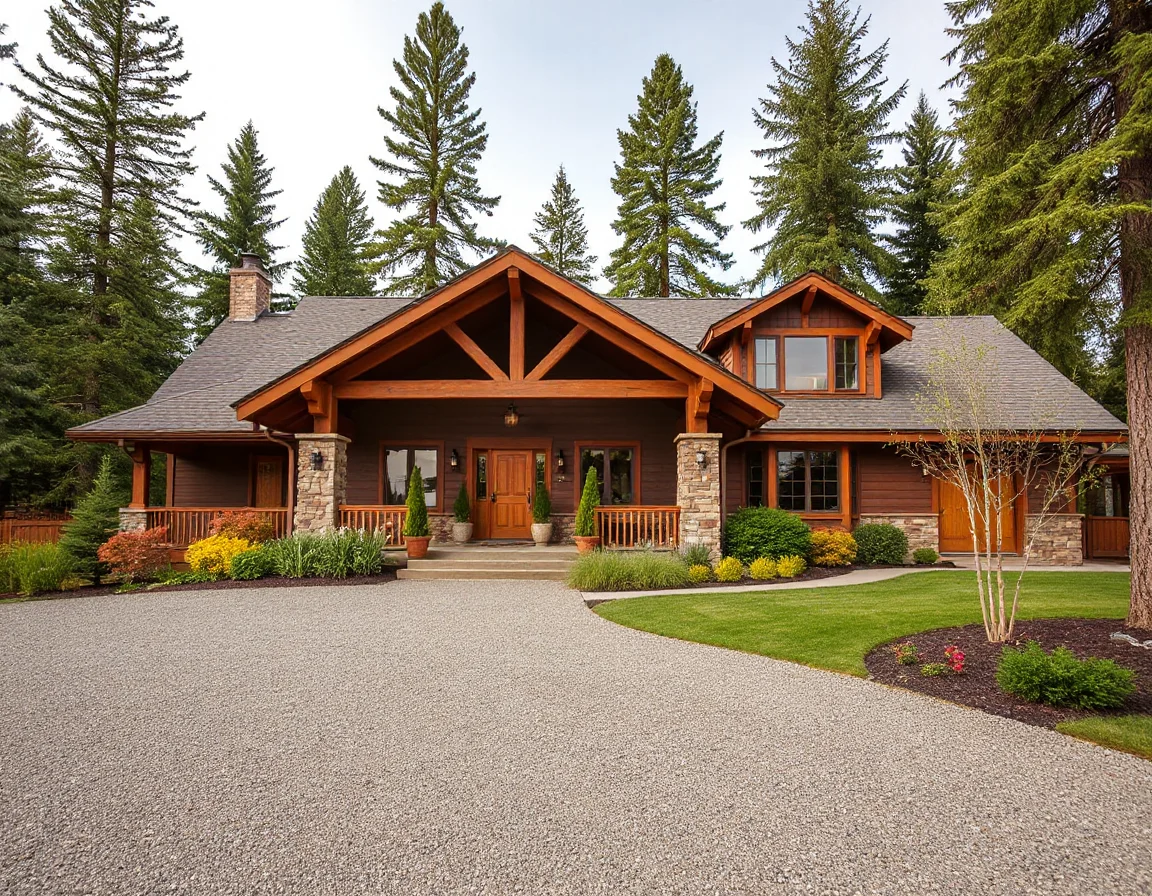
Properties on larger parcels or near the water can come with more layers to investigate. Depending on the address, buyers may need to review well and septic information, access easements, surveys, zoning, utilities, flood considerations, waterfront regulations, association documents, and existing outbuildings. This is not a reason to avoid these homes. It is a reason to allow enough time in the process to understand the property as a whole rather than judging it solely by the residence.
Ask for documentation early when it is available, and make a list of questions that can be answered during a showing, through public records, or by appropriate local professionals. A careful review can clarify whether a feature is already permitted, shared, privately maintained, seasonal, or subject to restrictions. The more distinctive the parcel, the more important it becomes to align expectations with written details.
7. Today’s budget versus ongoing ownership costs
The purchase price is only one part of the comparison. A home farther from town may require more fuel, road maintenance, or service coordination. Waterfront or near-water properties may have specialized insurance, dock-related upkeep, or shoreline maintenance considerations. Acreage can create costs for tools, landscaping, tree care, and utilities across a larger site. Conversely, a smaller in-town home may have different trade-offs, such as association dues or less storage for equipment and seasonal gear.
A clear monthly and annual ownership estimate can make choices easier. Include property taxes, insurance, utilities, internet options, maintenance reserves, and any association or road fees. Then add the practical costs that do not appear on a listing sheet: time driving, time maintaining land, and time coordinating repairs. A budget that reflects the full routine of ownership is far more useful than one built around the mortgage payment alone.
When comparing two homes at different distances from town, map the trips you expect to make most often. A route that feels minor during one visit can become a major factor when repeated several times each week.
How to Narrow a Sandpoint Search Without Closing Doors Too Early
Create three short lists before scheduling a full round of showings: non-negotiables, strong preferences, and features you are willing to trade. A non-negotiable might be year-round access, a certain amount of usable outdoor area, or a specific commute range. Preferences may include a water view, a covered porch, an updated kitchen, or proximity to a particular recreation area. Your trade list identifies what can flex if the property’s location, layout, and condition are otherwise compelling.
Then compare properties in groups rather than trying to rank every listing against every other listing. Look at town-adjacent homes together, acreage homes together, and lake-oriented homes together. This makes the value proposition within each category easier to see. It also prevents a low-maintenance home near town from being judged by the same measures as a rural parcel designed around space and scenery.
RE/MAX in Action agent Jan Dyer brings a local market focus to Sandpoint and the surrounding North Idaho area, helping buyers translate broad goals into targeted property questions. A productive conversation can cover the trade-offs that matter most to you, from access and acreage maintenance to proximity, utilities, and the features that support your preferred routine.
Talk through your Sandpoint home search
Choose the Location That Supports the Life You Plan to Live
Lake access, town convenience, and acreage are not competing checkboxes so much as different ways to shape a home search. The strongest choice may be the one that balances them rather than maximizing only one. By verifying access, studying the route, evaluating usable land, and estimating ownership costs early, you can move from browsing attractive listings to identifying properties that fit your priorities with clarity. In a market as varied as Sandpoint, that clarity is one of the most valuable features you can bring to the search.