

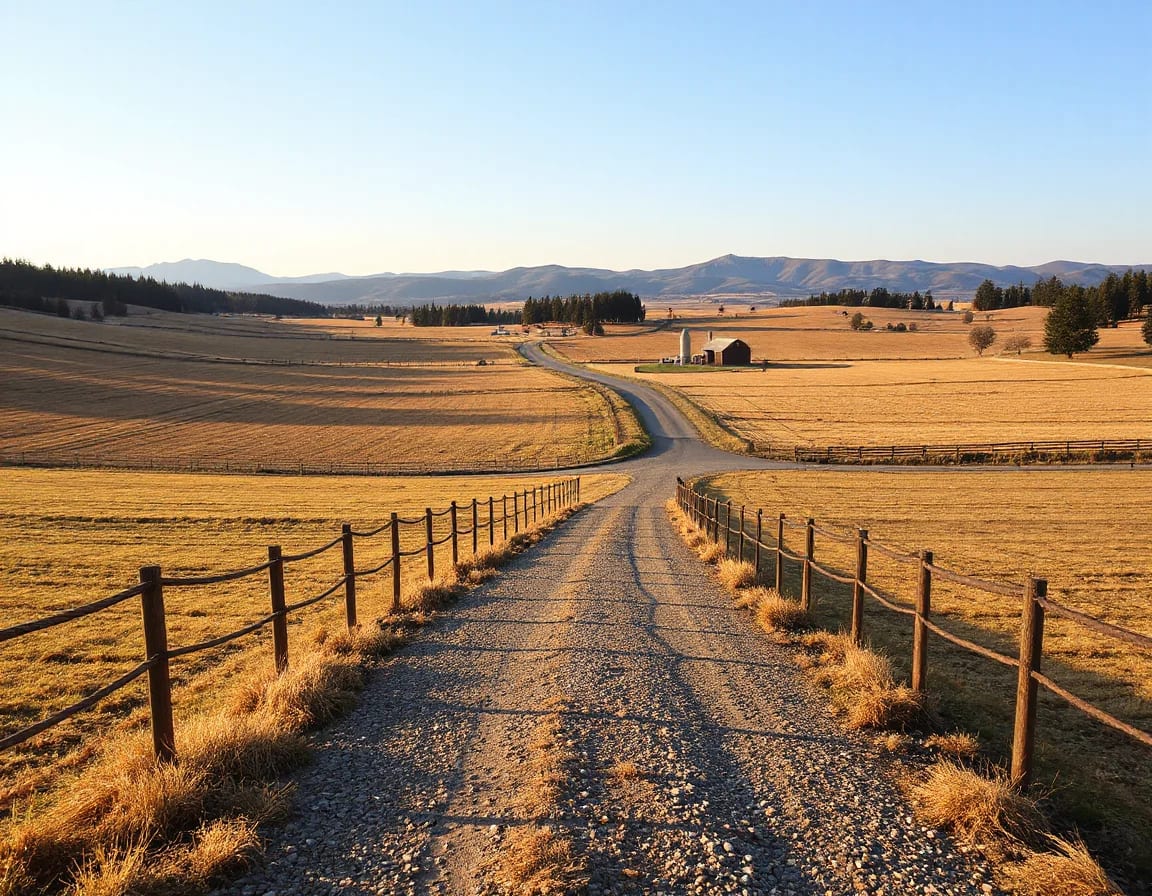
A larger lot on the Rathdrum Prairie can offer room for gardens, projects, outdoor storage, and a different daily rhythm—but acreage also comes with decisions that are easy to underestimate during a quick showing. These six questions help turn a promising property tour into a practical evaluation of access, utilities, upkeep, and long-term value.
Start With the Land, Not Just the House
A larger-lot home can feel like a major upgrade the moment you step outside: more separation between structures, room to plan a garden, a detached garage, a workshop, or simply an open view across the prairie. But land changes the buying conversation. A home’s square footage, finishes, and bedroom count still matter, yet the acreage introduces another layer of due diligence that deserves just as much attention.
Before comparing properties, it helps to write down how you actually expect to use the outdoor space. Are you looking for room for raised beds, a hobby building, recreational equipment, privacy between neighboring homes, or future landscaping? A clear list makes it easier to distinguish between a lot that is merely large and one that supports the uses you have in mind.
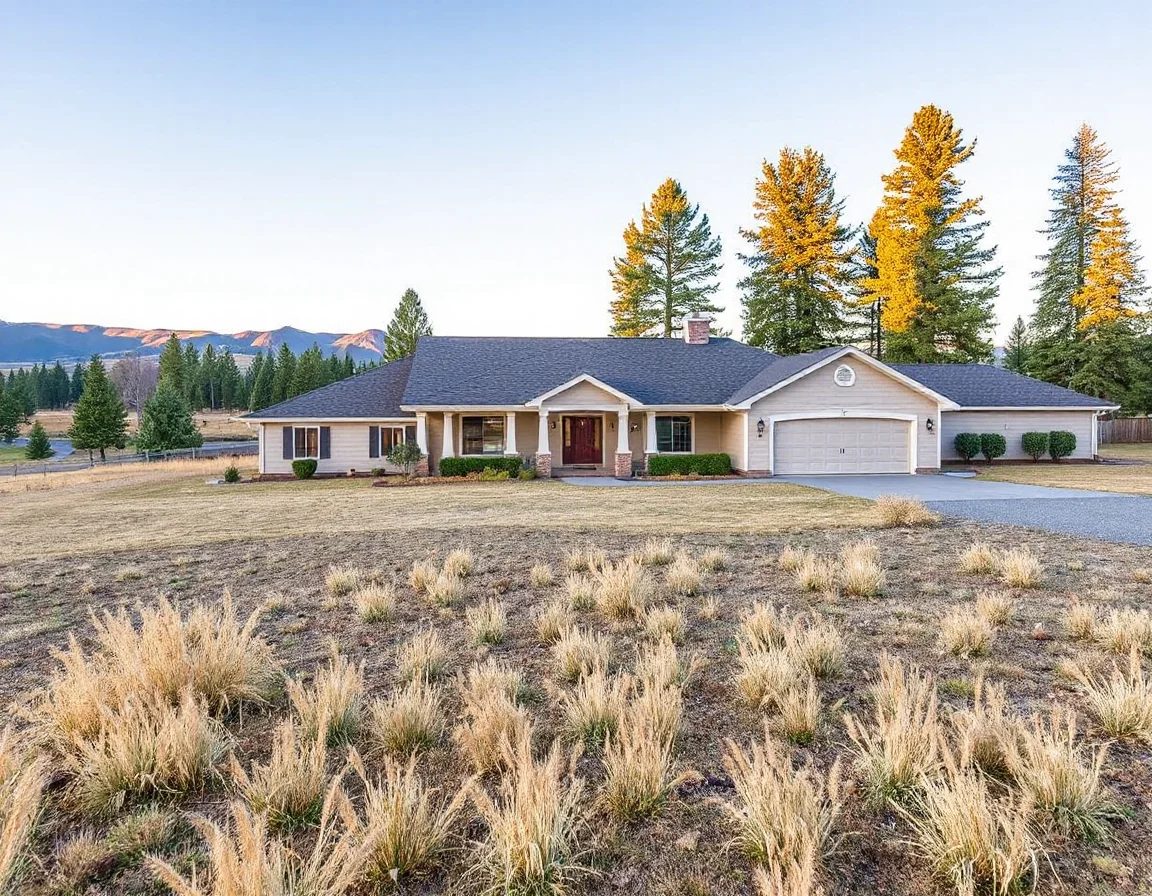
Question 1: What are the property boundaries and usable areas? Listing acreage does not always tell the whole story. Drainage swales, slopes, easements, access routes, mature trees, rock outcroppings, and setbacks can affect where a future structure, garden, fence, or patio may be located. Ask for the survey if one is available, review the legal description, and confirm visible boundary markers rather than relying on an assumed fence line.
Question 2: What can be built or changed later? County rules, zoning, recorded covenants, utility easements, and permit requirements can shape future plans. If a workshop, accessory structure, addition, or animal enclosure is part of your vision, verify the current requirements before making an offer. A conversation with the appropriate county planning office and a review of recorded documents can provide much clearer guidance than a verbal assumption.
On a larger lot, the most valuable square footage may be outside the home. Confirming usable land, access, and future-building rules early can prevent expensive course corrections after closing.
Look Closely at Water, Wastewater, and Access
Many properties in and around Rathdrum have utility arrangements that differ from a typical in-town home. That is not inherently a drawback; it simply means buyers should understand the systems that serve the property, their condition, and the records available. A well-maintained private system can be a practical asset, while an undocumented or aging system may require additional planning.
Question 3: How are water and wastewater handled? Determine whether the home is connected to public services or uses a private well and septic system. For a well, ask about recent testing, production information, equipment age, water treatment, and any shared-well agreement. For septic, request available permits, installation records, pumping history, and inspection information. A qualified inspection can help identify the tank location, drainfield condition, and maintenance considerations.
Question 4: What is the year-round access plan? Driveways can be long, private, gravel, paved, shared, or maintained through a road agreement. During a showing, look beyond the approach to the front door. Consider turning space, drainage, surface condition, snow-removal expectations, delivery access, and the legal right to use a shared route. If the property is served by a private road, obtain the maintenance agreement and understand how costs are allocated.
Internet, cellular coverage, mail delivery, and power service also deserve a practical check. Service availability can vary from one road to the next, so confirm providers and estimated installation or upgrade costs directly with the companies involved. If remote work, streaming, security equipment, or smart-home devices are important, test the connection assumptions before the inspection period ends.
Budget for More Than the Mortgage Payment
The appeal of open space often comes with ongoing responsibilities. A larger property may require more time, equipment, or professional support for mowing, irrigation, snow removal, tree care, driveway maintenance, and seasonal repairs. None of those costs should automatically rule out a home; the goal is to create a realistic ownership budget that reflects the property’s actual scale.
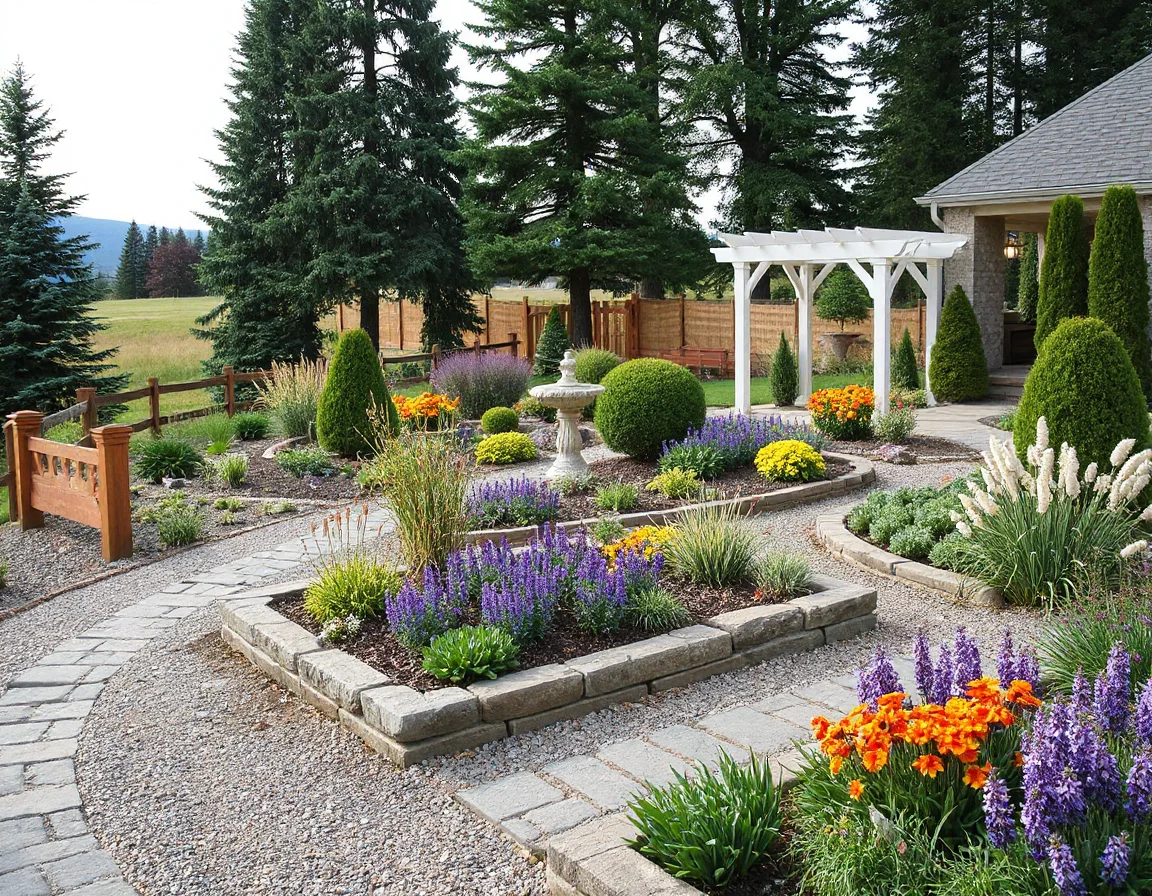
Question 5: What will it cost to maintain the site? Walk the entire property, not only the landscaped area near the house. Notice the amount of lawn or pasture, irrigation components, fencing, outbuildings, retaining features, mature trees, and gravel surfaces. Ask the seller what equipment is included, which services are used, and whether there are recurring expenses for water, road maintenance, propane, septic pumping, or landscaping.
Seasonal conditions matter on the prairie as well. Spring runoff, summer heat, wind exposure, winter snow, and freeze-thaw cycles can influence everything from drainage to driveway maintenance. During inspection, it can be useful to ask about the property’s history in different seasons and to look for visible signs of standing water, erosion, roof runoff issues, or uneven grading.
Question 6: Does the home’s condition match the scale of the property? A larger lot can make deferred maintenance less obvious. Inspect outbuildings, gates, fencing, roofs, well equipment, drainage systems, decks, and exterior finishes with the same care you give the main residence. A thorough home inspection, along with specialty inspections when appropriate, provides an informed baseline for negotiations and future planning.
Compare Location in Practical Terms
Rathdrum Prairie living can place open land, local services, and regional destinations within the same daily routine, but travel patterns are personal. Rather than relying on a general estimate, drive the routes that matter to you at the times you would normally use them. Check the route to groceries, medical services, recreation, work, and other frequent destinations, then factor in seasonal road conditions and fuel costs.
It is also worth looking at nearby uses that may affect the experience of the property over time. Agricultural activity, vacant land, roadway projects, utility corridors, and future development possibilities can all be relevant. Public planning records, county maps, and a careful review of the surrounding parcels can help you understand the setting beyond the current view from the porch.
A larger-lot purchase is strongest when the home, land, systems, and location work together. Taking time to ask detailed questions does not diminish the excitement of finding room to spread out—it gives that excitement a solid foundation. With clear documentation, careful inspections, and a realistic operating budget, buyers can evaluate Rathdrum Prairie properties with confidence and focus on the possibilities that fit their plans.