


A home inspection is one of the clearest opportunities to understand a property before closing. In Post Falls, a thoughtful inspection plan can help buyers separate routine maintenance from larger repair questions, prioritize next steps, and move forward with a more complete picture of the home.
Start With the Purpose of the Inspection
A home inspection is not a pass-or-fail test, and it is not a guarantee that every future repair has been uncovered. It is a visual, noninvasive review of a home’s accessible systems and components at a particular moment in time. The real value is perspective: an experienced inspector can identify visible conditions, point out maintenance items, and explain where a closer evaluation by a qualified specialist may be useful.
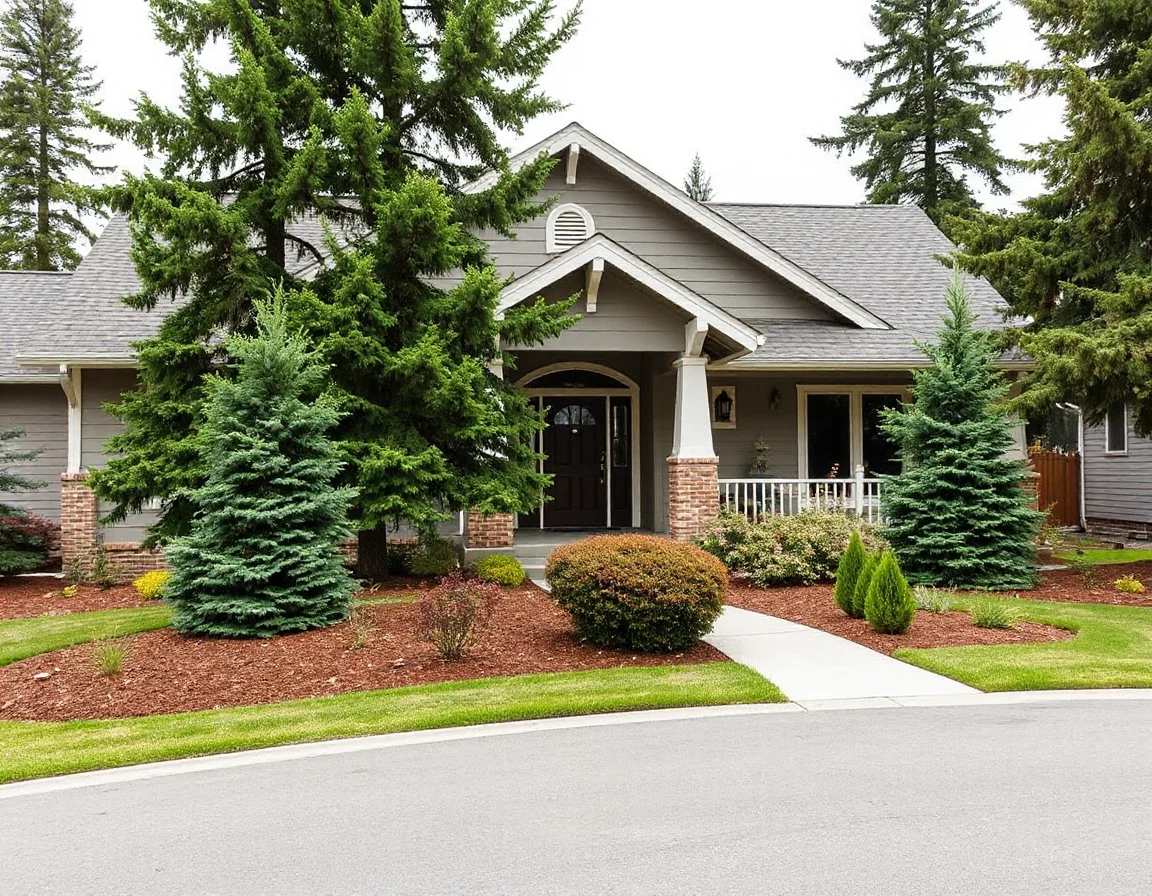
For buyers, the inspection period is a practical window to learn how the property functions. The report may cover roofing, exterior drainage, foundations, heating and cooling equipment, plumbing fixtures, electrical panels, windows, insulation, attic areas, and visible interior finishes. Exact scope varies by inspector, so it is wise to review what is included before scheduling. Features such as wells, septic systems, private docks, detached structures, specialty appliances, and irrigation systems may require separate inspections.
In the Post Falls area, seasonal weather makes exterior observations especially useful. Rainwater management, grading, gutters, downspouts, roof condition, attic ventilation, and the condition of exterior wood or siding can all be meaningful topics to discuss. Winter temperatures and changing seasons also make heating performance, insulation, and weather sealing worth understanding. These are not automatic concerns in every home; they are simply areas where local climate can make regular maintenance important.
The most productive inspection conversations focus on three questions: what needs attention now, what should be budgeted for later, and what deserves a specialist’s opinion before the contingency deadline.
Try to attend the inspection if your schedule allows. Walking through the home with the inspector can make a written report much easier to interpret. Ask the inspector to distinguish between an immediate health or safety concern, a condition that may affect function or durability, and a routine maintenance recommendation. Photos in a report are helpful, but a firsthand explanation of where a shutoff valve is located or how a system operates can be even more valuable after moving in.
Prepare for the Appointment Before Inspection Day
Once an offer is accepted, timing matters. Inspection contingencies are usually tied to specific deadlines in the purchase agreement, so buyers should arrange the general inspection promptly and leave room for any follow-up evaluations. A general inspector may recommend further review by a roofer, electrician, plumber, HVAC contractor, structural professional, pest professional, or other qualified specialist. Scheduling early provides more flexibility if additional information is needed.
Before the appointment, gather the documents that can add context without replacing an inspection. Seller disclosures, permits where available, receipts for major improvements, appliance manuals, utility information, and records for servicing equipment can all be useful. If the property has a homeowner association, buyers may also want to review applicable documents separately, since a home inspection does not determine association finances, rules, or future assessments.
A good inspection is also a chance to make a practical ownership list. Note the age and service history of major systems when known, the location of the electrical panel, the water shutoff, the gas shutoff if applicable, and any filters or seasonal maintenance tasks. This turns the inspection from a report that gets filed away into a reference guide for the first year of ownership.
Learn about buyer representation in North Idaho
Read the Report Without Losing the Big Picture
Inspection reports can look intimidating because they document many small details. A well-used report is thorough, which means it may mention loose hardware, aging caulk, minor wall wear, missing labels, or recommended maintenance alongside larger issues. The presence of a long report does not automatically mean a home is in poor condition. Every property, including newly constructed homes, can have items that need attention.
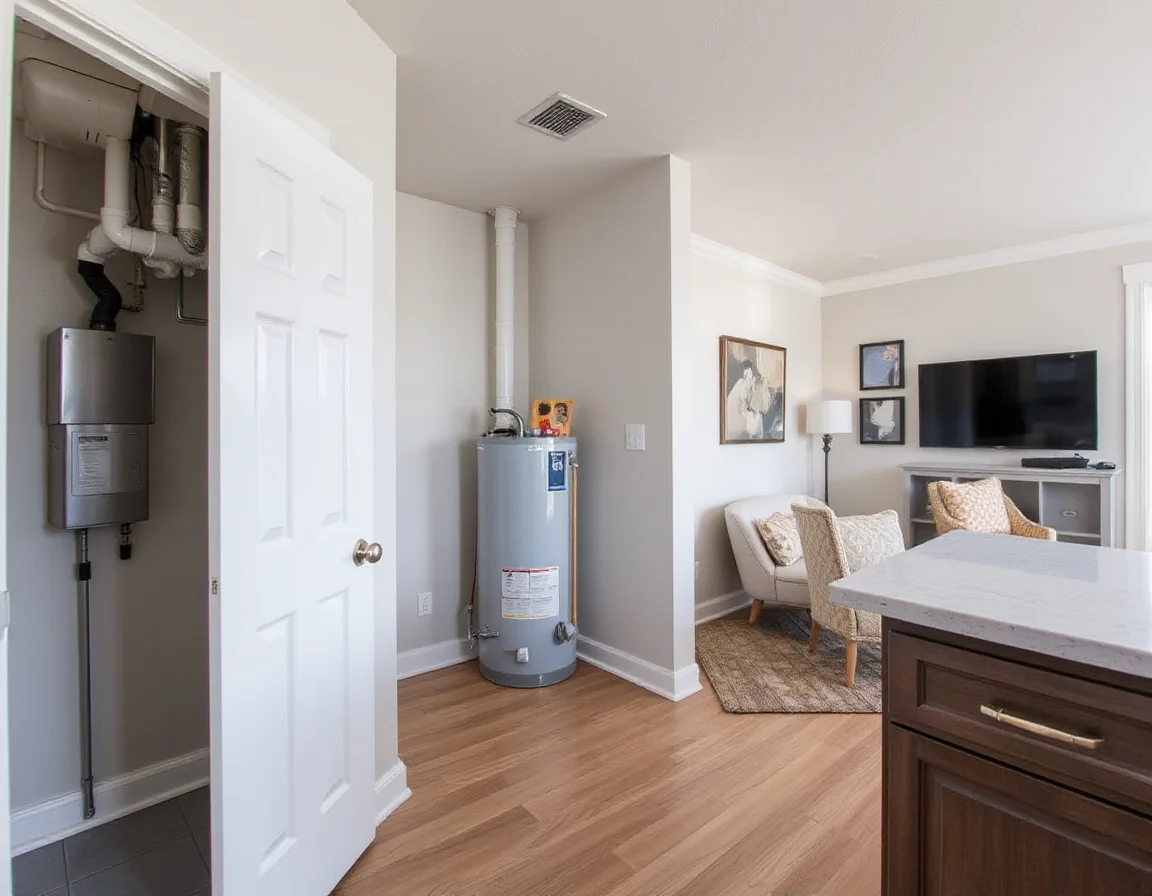
Instead of reacting to the number of comments, group them by impact. Items involving active water intrusion, unsafe electrical conditions, structural movement, malfunctioning major systems, or evidence requiring expert evaluation generally deserve early attention. Then consider repairs that could become more costly if delayed, followed by ordinary upkeep. This approach gives buyers a more useful framework for deciding whether to request repairs, seek a credit where appropriate, gather contractor estimates, or simply plan future maintenance.
It is also important to keep roles clear. The inspector provides observations within the inspection scope; contractors and specialty professionals provide further diagnosis, repair recommendations, and pricing. If a report identifies an aging roof, for example, a roofing professional can help clarify remaining service life, repair options, and current cost ranges. That additional step can make negotiations and budgeting more grounded in current information.
Inspection findings should be discussed with your real estate professional in light of the contract and the property’s overall condition. A focused request is typically more constructive than a list of cosmetic preferences. The goal is not to make a resale home brand new. It is to understand material conditions, protect the buyer’s ability to make an informed decision, and follow the terms already established in the agreement.
Pay Attention to Property-Specific Systems
Homes in and around Post Falls vary widely, from established in-town properties to newer construction and homes on larger parcels. That variety makes the property itself the best guide to inspection planning. A home connected to city services may call for a different checklist than a property with a private well or septic system. A home with a wood-burning appliance, outbuilding, extensive deck, retaining wall, or older detached garage may benefit from targeted questions about those features.
Buyers should ask what is visible, accessible, and excluded. An inspector may not be able to move stored belongings, inspect concealed conditions, walk every roof surface, or operate systems that are shut down or unsafe to test. Weather can also affect what can be evaluated on a given day. If snow, heavy rain, or inaccessible areas limit the inspection, ask whether a return visit, additional review, or specialist evaluation is advisable.
A repair estimate is most useful when it is tied to a defined scope of work. When a report recommends further evaluation, obtain details before assuming a condition has a particular cost or solution.
Buyers can also use the inspection period to think beyond the closing date. Consider seasonal service, reserve planning, and the ordinary rhythm of home maintenance. Cleaning gutters, servicing heating equipment, monitoring caulk and exterior paint, checking drainage, and changing filters are manageable tasks that can help preserve a home over time. Knowing what to watch is often just as valuable as knowing what to repair immediately.
Move Forward With Clear Priorities
The strongest outcome from a home inspection is not a perfect report; it is a clear plan. Review the findings carefully, ask follow-up questions while your contingency timeline is still open, and rely on appropriately licensed or qualified specialists when the report points to a concern outside the general inspection scope. Keep copies of reports, invoices, and service records so they are easy to reference later.
Buying in Post Falls can involve many moving parts, but the inspection process does not have to feel overwhelming. With realistic expectations, timely scheduling, and a focus on material information, buyers can evaluate a property with more confidence and make decisions based on facts rather than assumptions.