


Pricing a Rathdrum home is not about choosing the highest number that sounds appealing; it is about identifying the price range that makes qualified buyers pause, compare, and act. A thoughtful launch price combines current competition, recent nearby sales, your property’s condition, and a clear plan for the first days on market. The goal is to enter the market with confidence and enough flexibility to respond to real buyer feedback.
Begin With Today’s Competition
A useful pricing conversation starts with the homes a buyer can consider right now. Active listings in Rathdrum are not proof of value, but they set the comparison table. If a buyer can tour several homes with similar square footage, lot size, bedroom count, and condition, your home needs a clear reason to stand out at its price point. That reason may be an updated kitchen, a well-kept exterior, a practical floor plan, a larger garage, or simply a price that acknowledges the alternatives.
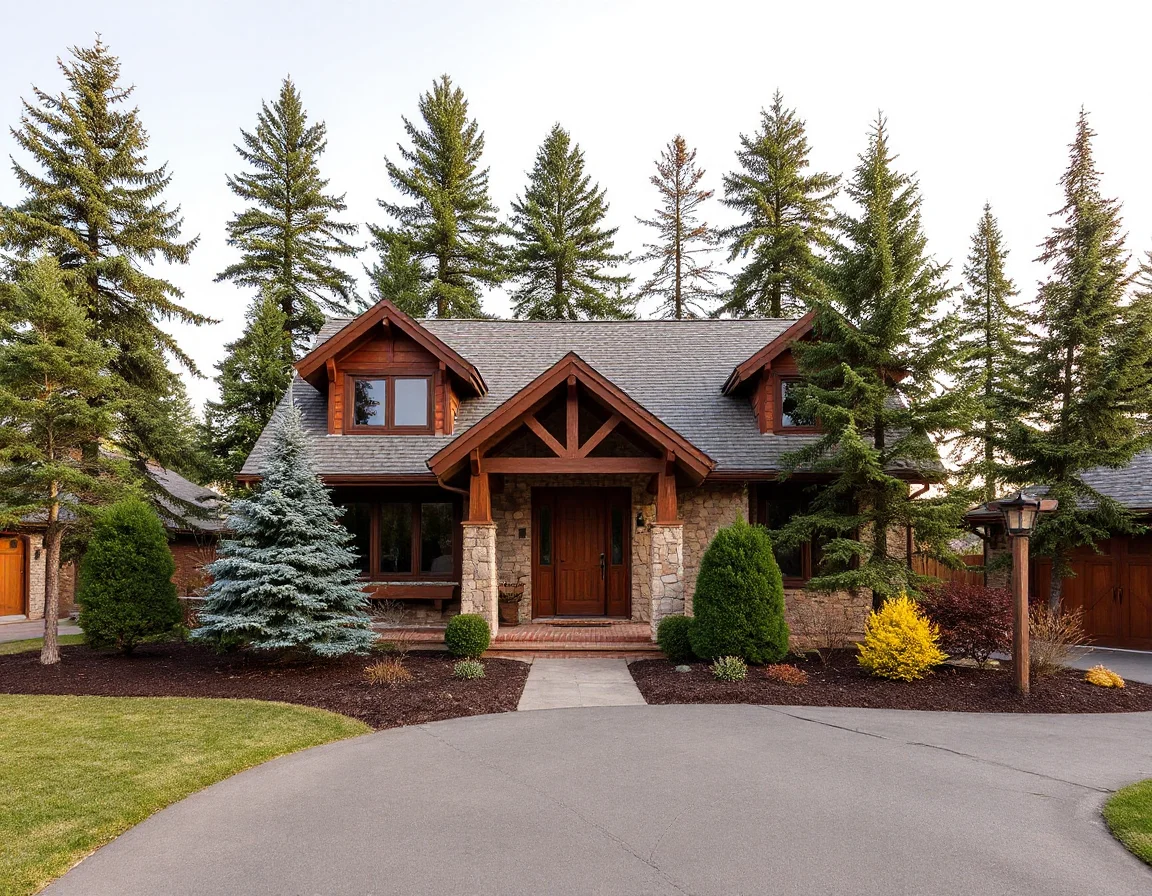
Next, look at pending and recently sold properties. Pending homes can reveal what has attracted offers, while closed sales show where buyers and sellers ultimately agreed. The most useful comparisons are recent, nearby, and genuinely similar. A newer home should not be measured against a much older property without accounting for condition and updates. Likewise, a home on a larger parcel, with a workshop, or with distinctive views may need a more tailored analysis than a simple price-per-square-foot calculation can provide.
Market timing matters, too. Inventory, interest-rate changes, weather, and seasonal buyer activity can all influence how quickly new listings receive attention. A pricing strategy should reflect the market at the moment the home is ready to launch, not a sale from a very different season or a headline from months ago. Reviewing current data close to the listing date helps keep the plan grounded in what buyers are encountering during their searches.
The first week is often the clearest pricing signal: strong showing activity and focused feedback can confirm your positioning, while repeated hesitation around value may point to a needed adjustment.
It also helps to view the property from a buyer’s perspective. Online search results group homes into price brackets, and a small difference can affect which searches include your listing. Pricing just beyond a common search threshold can limit visibility, while a carefully selected number may place the home in front of more relevant buyers. The best choice depends on the property, the competition, and the current range of comparable options—not on a one-size-fits-all formula.
Request a customized home valuation
Account for Condition, Features, and Presentation
Comparable sales establish a starting point, but the condition of the home often determines where it belongs within a range. Buyers notice the cumulative impression created by maintenance, light, storage, landscaping, paint, flooring, and the way rooms function. A home with well-documented improvements and a polished presentation can compete differently from one that needs visible repairs, even when the basic measurements are similar.
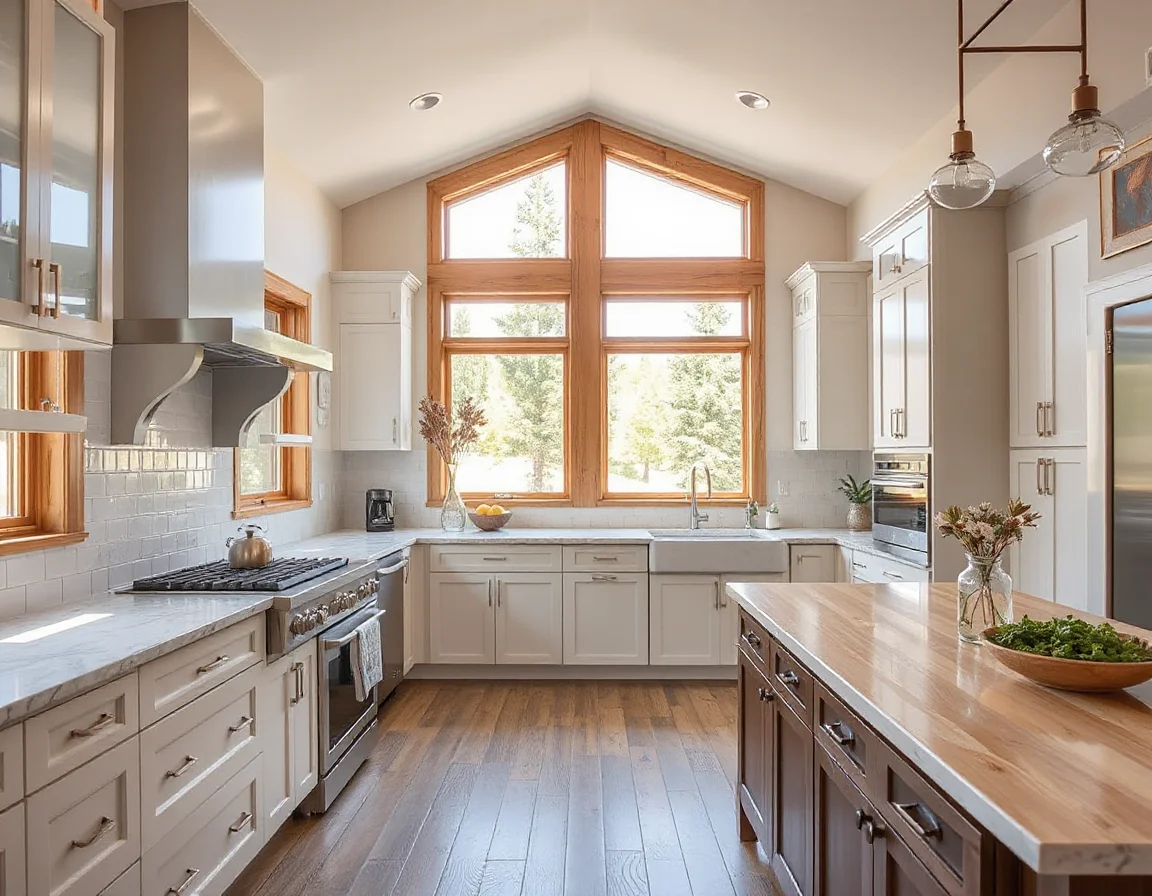
Before setting the final price, make an honest list of improvements completed during ownership. Include major systems, roofing, heating and cooling updates, appliances, windows, flooring, exterior work, and remodels. Keep receipts and dates when available. These details may not always translate dollar-for-dollar into a higher list price, but they give buyers context and can help distinguish the home from others that require more immediate attention.
Presentation is part of pricing because it shapes how buyers interpret value. Clean surfaces, simplified rooms, repaired details, fresh landscaping, and strong photography help a listing communicate its features quickly. When buyers can understand a home’s layout and condition from the first photos, they are better prepared to decide whether a showing is worthwhile. That can produce more purposeful traffic than launching before the property is fully ready.
Not every project needs to be completed before listing. In some cases, a seller may prefer to price with an allowance for cosmetic work rather than undertake a large renovation. The key is clarity. If a feature needs attention, the list price should acknowledge it rather than assume buyers will overlook it. Thoughtful pricing does not hide tradeoffs; it places them in the full value picture.
Small preparation steps can have an outsized effect on the comparison buyers make after a showing: clean, functional, and well-lit spaces are easier to evaluate against competing homes.
Be cautious about pricing based solely on an emotional benchmark, a previous appraisal, or the amount needed for the next move. Those figures may be meaningful to you, but buyers evaluate the home against their available choices and financing limits. A market-based strategy respects the investment you have made while keeping the focus on the evidence that supports an achievable result.
Launch With a Plan for Feedback and Negotiation
A list price is the opening position, not the end of the process. Once the property is live, pay attention to the quality of inquiries, showing volume, online engagement, and comments from buyers and agents. One isolated opinion may not mean much. A consistent pattern—such as visitors appreciating the home but selecting a lower-priced alternative—deserves attention because it may identify a gap between the market’s expectations and the current strategy.
It is useful to decide in advance how feedback will be reviewed. Set a regular check-in after launch, compare new competing listings, and watch for properties that go pending. If activity is strong, the original price may be well positioned. If traffic is limited despite effective marketing, a timely adjustment can be more effective than waiting for the listing to become stale. Buyers often notice how long a property has been available, so early, data-informed decisions matter.
Negotiation should also be part of the pricing discussion. The strongest offer is not always the highest number. Financing terms, inspection timelines, closing schedule, contingencies, and the overall reliability of the offer can influence the final decision. Knowing your priorities before offers arrive makes it easier to evaluate the complete package with a clear head.
For Rathdrum sellers, the most effective approach is usually a blend of local comparison data, candid preparation advice, strategic marketing, and ongoing attention after the listing goes live. A price that is supported by the home’s condition and the current market can invite meaningful interest without leaving the property overlooked in a crowded search. With a clear plan from valuation through negotiation, you can make decisions based on evidence rather than guesswork.