


A confident listing day begins well before the sign goes up. This Post Falls seller checklist helps you focus on the details that buyers can see, the paperwork they will ask about, and the pricing conversations that make a launch feel organized rather than rushed. Use it as a practical plan for presenting your home clearly and moving forward with fewer last-minute surprises.
Begin With a Clear Listing Strategy
Preparing to sell is part property project, part decision-making process. Before tackling a closet, a paint touch-up, or a photo appointment, take time to understand the local listing landscape and define your goals. Your preferred timeline, next move, desired sale terms, and willingness to make updates can all shape the best approach for your Post Falls home.
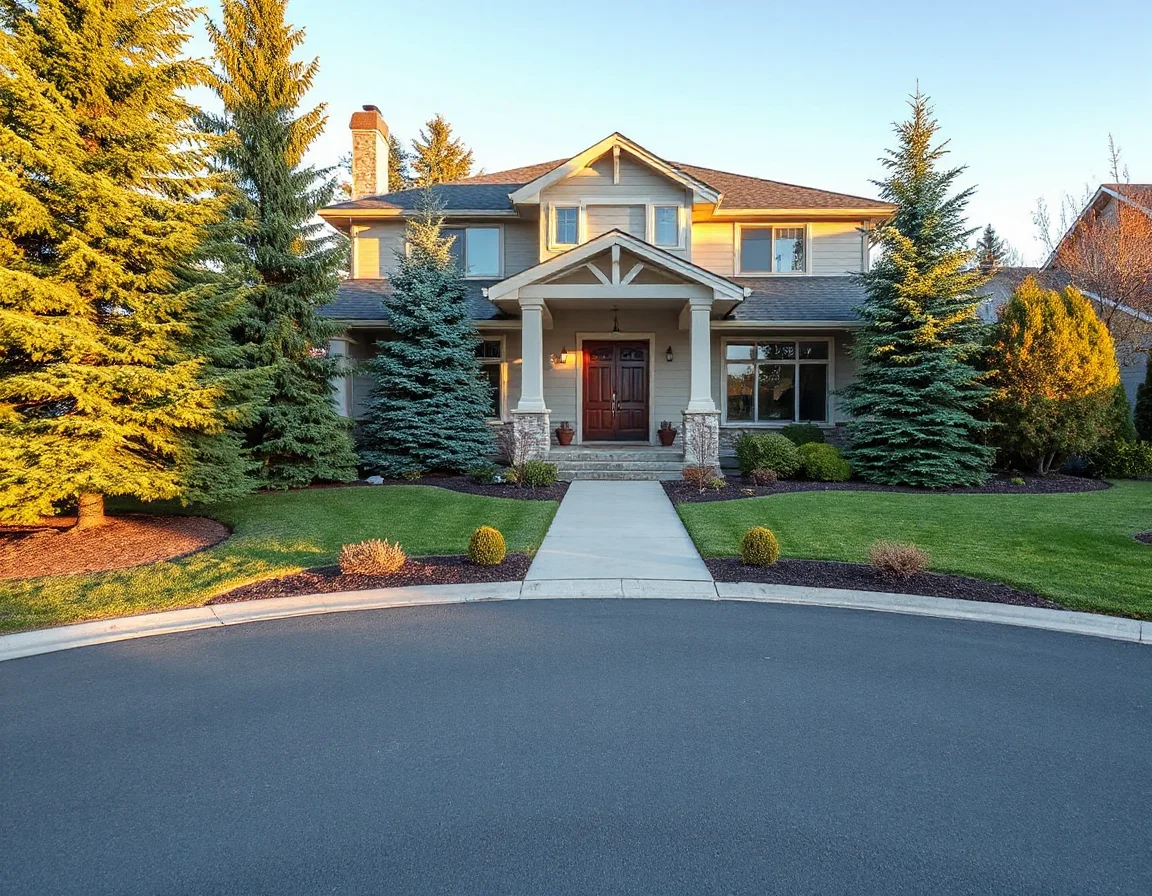
A useful first step is a walkthrough with fresh eyes. Start at the curb, move through the entry, and follow the route a visitor would naturally take. Notice anything that interrupts the experience: a loose handrail, a burned-out bulb, crowded furniture, a door that sticks, or a room whose purpose is unclear. Small corrections often make the home easier to understand in photographs and during showings.
It also helps to separate projects into three lists: repairs that should be completed, cosmetic updates that may improve presentation, and larger improvements that need a cost-versus-benefit conversation. Not every home needs a major renovation before listing. Often, thoughtful cleaning, minor maintenance, neutral touch-ups, and a well-planned presentation create more value than a hurried project with an uncertain return.
The strongest pre-listing plan is not necessarily the longest one. Prioritize repairs that affect condition, function, or first impressions, then set a firm deadline for everything else.
Pricing deserves the same disciplined preparation. A listing price should be informed by recent comparable sales, current competing properties, condition, location, lot characteristics, updates, and the terms likely to matter to buyers. Online estimates can be a starting point, but they do not account for every feature visible in person. A detailed pricing discussion helps establish a launch strategy that is grounded in the property rather than in guesswork.
Request your customized home valuation
Make the Home Easy to Experience
Once the strategy is in place, shift attention to presentation. Buyers should be able to see the home’s layout, storage, natural light, and useful features without being distracted by everyday belongings. The goal is not to make a property feel impersonal; it is to make each space legible and inviting.
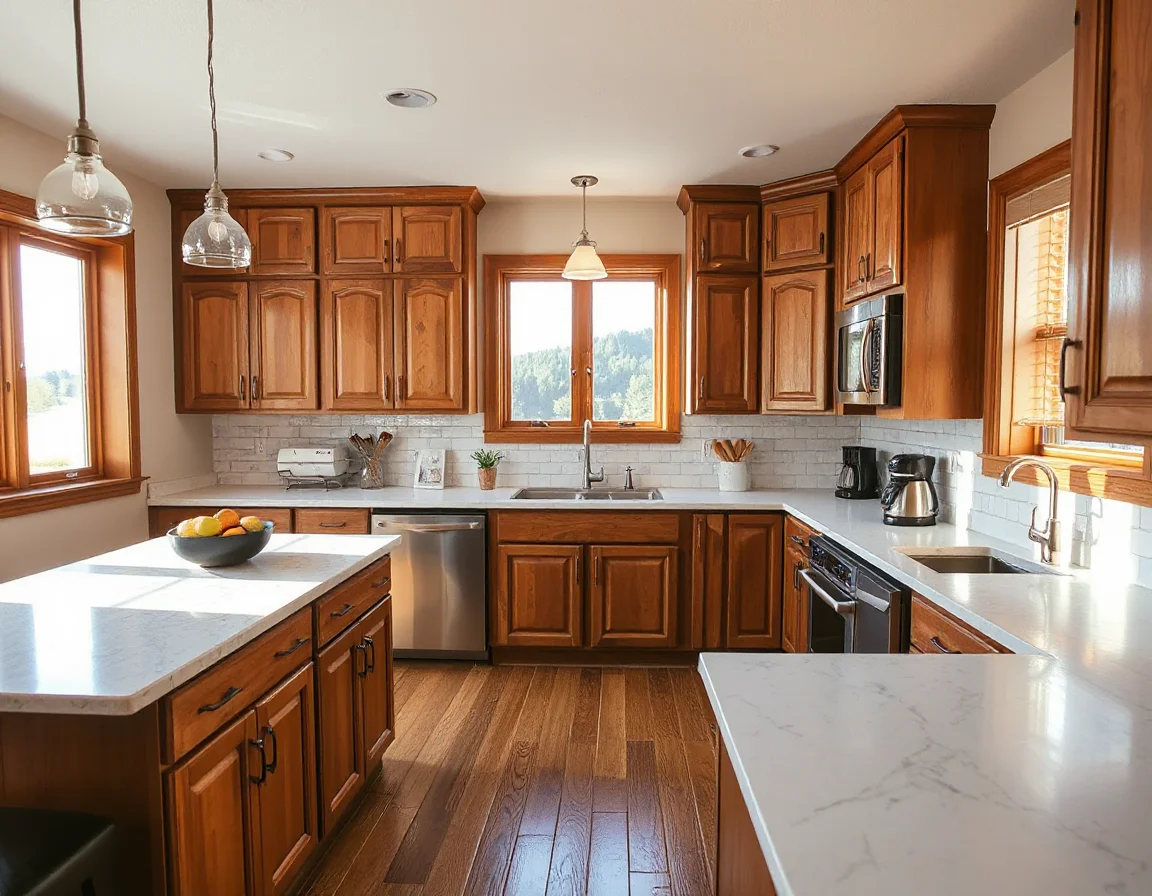
Begin with cleaning that goes beyond routine upkeep. Windows, baseboards, light fixtures, appliances, bathroom surfaces, flooring, and entry areas are all highly visible. Address odors at their source rather than masking them with heavy fragrance. Fresh air, clean textiles, and a consistent cleaning routine can make a meaningful difference before photography and throughout the showing period.
Decluttering is equally important. Clear kitchen counters except for a few intentional items, reduce magnets and papers on appliances, organize open shelving, and create breathing room in closets. Storage areas do not need to be empty, but they should show usable capacity. If moving boxes are necessary, grouping them neatly in one designated area is more effective than scattering them through the home.
Furniture placement can help buyers understand room scale. Remove pieces that block pathways, crowd windows, or conceal architectural details. If a flexible room has served several purposes, choose one clear use for listing day. A desk area, guest space, hobby room, or reading area can each be presented effectively when the arrangement is simple and the purpose is easy to recognize.
Outside, focus on the approach to the house and the areas visible from primary windows. Sweep walks, trim overgrown plants, store tools and bins appropriately, and check that house numbers are visible. In Post Falls, seasonal conditions can change quickly, so plan for leaves, wet weather, snow, or dry landscaping as the time of year requires. A cared-for exterior signals that the rest of the home has received attention too.
Gather Details Before Buyers Ask
Good listing preparation includes information, not just appearance. Pull together documents and notes that help answer common questions efficiently. This may include utility information, improvement dates, appliance manuals, permits or contractor records when available, HOA documents if applicable, survey information, warranties, and a list of features that will remain with the property.
A concise home feature sheet can be especially helpful. Note practical details such as heating and cooling systems, garage configuration, storage areas, internet service options, irrigation equipment, fireplace features, fencing, outbuildings, or recent maintenance. The purpose is accuracy. If a detail is uncertain, verify it before it reaches marketing materials or a buyer conversation.
A folder of receipts, manuals, and improvement records gives you a useful reference during listing preparation and can make later questions easier to answer with confidence.
Be prepared for disclosure requirements as well. Sellers should complete required forms carefully and honestly, using records and professional guidance where appropriate. Transparency protects everyone’s ability to make informed decisions. If you are unsure whether a repair, past event, or property feature should be addressed, raise the question early rather than waiting until an offer is in hand.
Listing logistics matter, too. Decide how showings will be handled, where pets and personal items will go during appointments, and what daily reset routine is realistic. A small basket for countertop items, a laundry plan, and a designated place for shoes, mail, and pet supplies can make it much easier to keep the home ready without disrupting daily life.
Prepare for Photography and Launch Week
Professional photography is often a buyer’s first close look at a home, so the property should be photo-ready before the camera arrives. Replace burned-out bulbs with matching color temperatures, open blinds where privacy allows, turn on interior lights, and remove personal photographs, medication, valuables, and documents. Fresh towels, made beds, and clear counters create a calm visual rhythm without requiring elaborate staging.
Think beyond the interior. Photograph-worthy features may include a covered porch, patio, garden area, garage, driveway, workshop, or views from the property. Make these spaces accessible and clean beforehand. If a seasonal feature is important, such as established landscaping or a usable outdoor living area, listing timing and photography should account for how that feature will appear.
During launch week, responsiveness can be valuable. Review feedback with perspective rather than reacting to one comment in isolation. Patterns in buyer questions, showing activity, and comparable listings may provide useful information about price, presentation, or marketing reach. A steady plan makes it easier to evaluate feedback without losing sight of the larger objective.
Learn about selling your North Idaho home
Finish With a Plan You Can Maintain
A successful listing day is not about achieving perfection; it is about presenting an accurate, well-cared-for home and being ready for the next steps. Complete the projects that matter, document the details you know, and create a daily routine that keeps the property comfortable to show. With a thoughtful checklist and a clear strategy, your Post Falls listing can enter the market with polish, clarity, and confidence.