

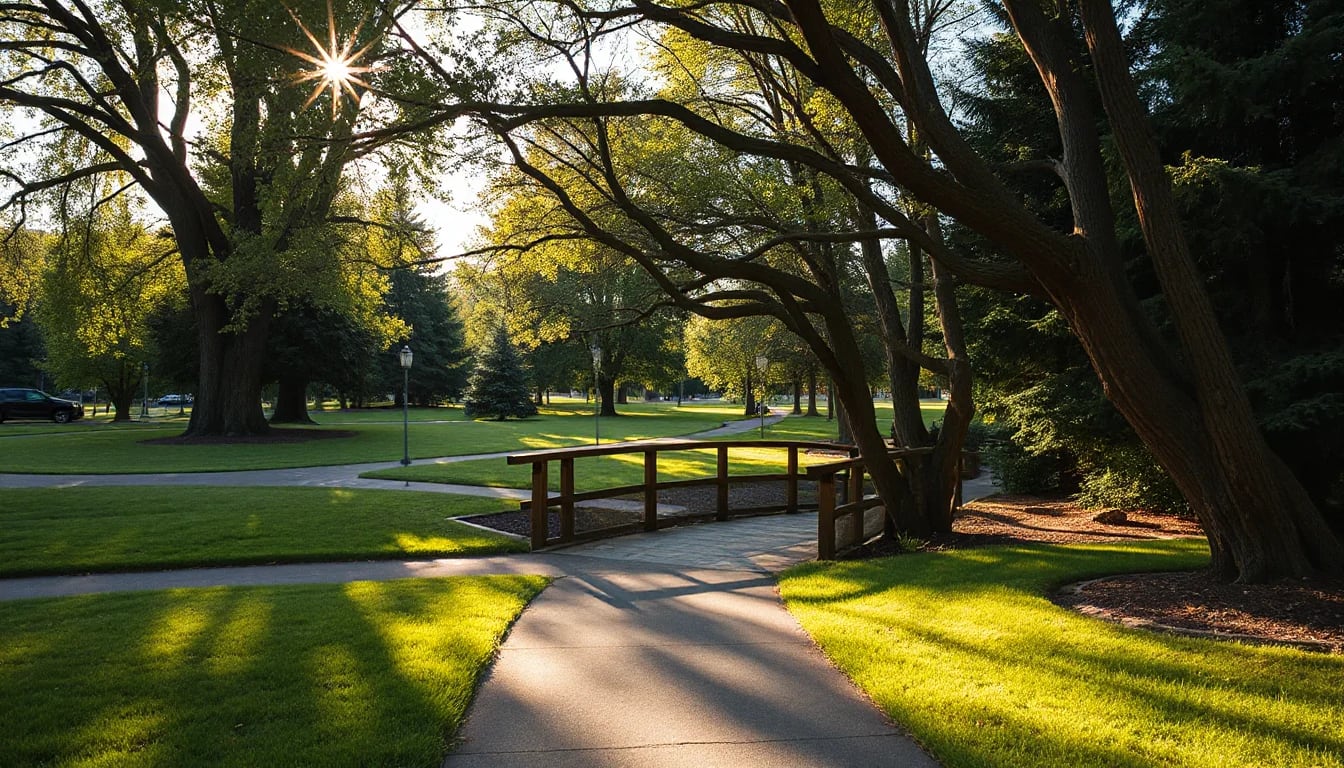
Coeur d’Alene brings lakefront scenery, connected parks, and an active city center into a remarkably walkable setting. From a shoreline trail at sunrise to an afternoon at McEuen Park or a meal near Sherman Avenue, the city offers many ways to experience North Idaho beyond a listing photo. Exploring these places in person can also help home buyers understand how each pocket of the area feels day to day.
A Waterfront That Shapes the Rhythm of the City
Lake Coeur d’Alene is more than a scenic backdrop: it is a defining part of everyday life in the city. The shoreline draws walkers, cyclists, boaters, and visitors throughout the warmer months, while cooler-season views bring a quieter, reflective side to the water. From the public beach near City Park to the marina and boardwalk areas, the lake creates natural gathering points close to the center of town.
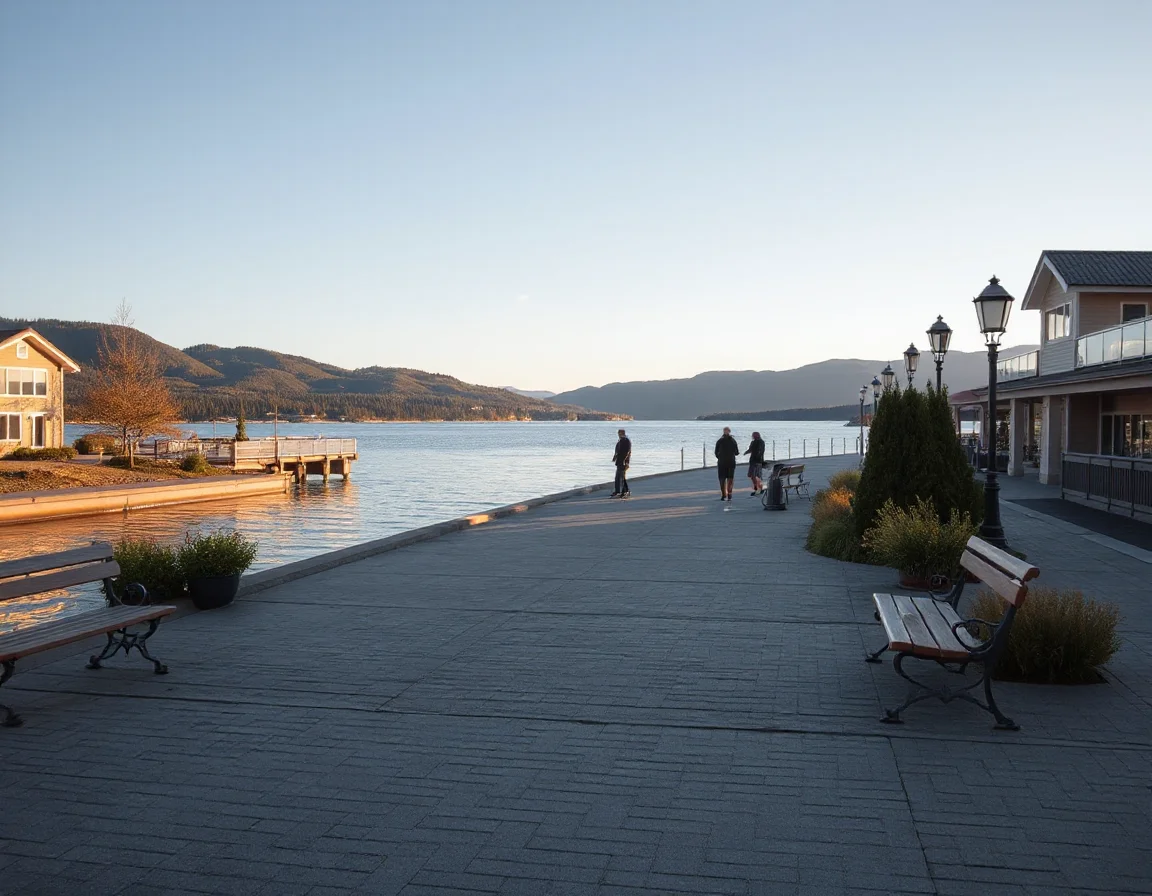
The public waterfront is easy to explore at different speeds. A short stroll can include views of boats moving across the lake, landscaped paths, and open lawn near the water. A longer outing can connect with the Centennial Trail, which follows portions of the lakeshore and provides a practical route for walking or biking through Coeur d’Alene and beyond.
For those considering a move, the waterfront is also a useful reminder that location is about more than distance to an address. A home near the lake may offer a different pattern of traffic, seasonal activity, outdoor access, and views than a home farther inland. Visiting at more than one time of day can reveal the pace of the surrounding streets, available parking, and how easily favorite destinations fit into a regular routine.
The lakefront is especially revealing in the shoulder seasons, when visitors can experience the scenery, trail access, and local rhythm outside the peak summer calendar.
Boating remains one of the area’s signature warm-weather activities, but enjoying the lake does not require owning a boat. Public viewpoints, shoreline seating, trails, beaches, and nearby green spaces make the water part of the experience for anyone spending time in the city. The result is a landscape that feels distinctly North Idaho: blue water, forested slopes, and a city center that stays closely connected to both.
Parks, Trails, and Room to Spend Time Outside
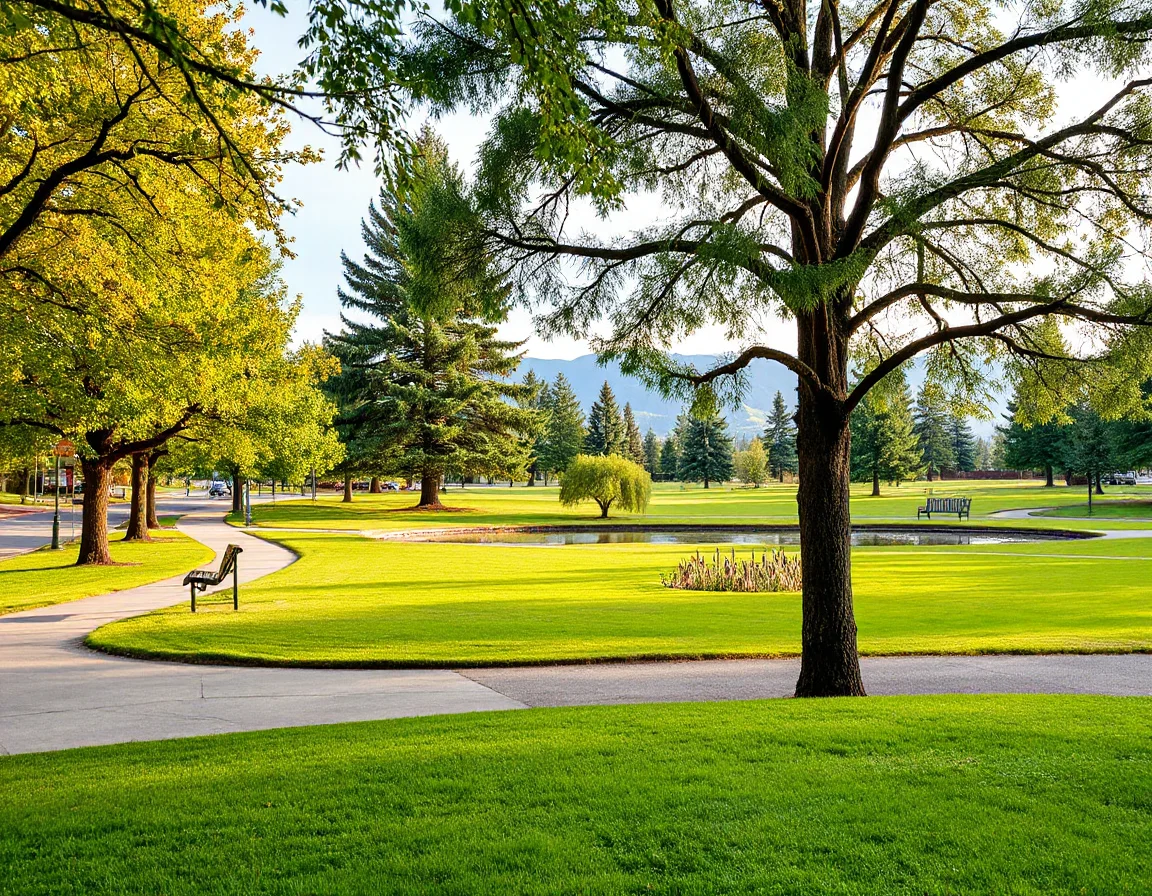
Coeur d’Alene’s park system offers a strong complement to its waterfront. McEuen Park, just a short walk from the lake, combines open lawn, landscaped spaces, paths, recreation areas, and places to pause between errands or longer outings. Its central location makes it a natural stop when exploring the city center on foot.
Nearby Tubbs Hill provides another kind of outdoor experience. The publicly accessible natural area has trails along the lake and through wooded terrain, with overlooks that make the route feel tucked away despite its proximity to central Coeur d’Alene. Trail conditions and route difficulty can vary, so comfortable footwear and a look at current conditions are worthwhile before heading out.
City Park adds a classic lakeside setting with mature trees, beach access, and room for a picnic or a simple break near the water. The park’s location near the western end of Sherman Avenue makes it easy to combine with a walk through the city center. It is one of those places that can turn an ordinary afternoon into an unhurried local outing.
The Centennial Trail broadens the map even further. This paved regional trail is useful for cyclists and pedestrians who want a longer, mostly separated route through the area. Whether someone uses it for a brief morning loop or a more ambitious ride, the trail shows how Coeur d’Alene’s public spaces connect rather than stand apart.
Explore Coeur d’Alene area information
Sherman Avenue and the Energy of the City Center
Just inland from the shoreline, Sherman Avenue anchors much of Coeur d’Alene’s commercial and social activity. The corridor is lined with independently owned businesses, dining options, galleries, services, lodging, and seasonal events. Its blocks are easy to explore on foot, especially when paired with the nearby waterfront, City Park, and McEuen Park.
The appeal here is variety. A morning can begin with a lakeside walk, continue with a stop for coffee or lunch, and end with an evening stroll as the light changes over the water. Seasonal programming, art displays, outdoor gatherings, and community events add movement throughout the year. Specific offerings change, but the central location of these destinations makes it simple to build a day around them.
Architecture also helps give the district its character. Older commercial buildings, renovated spaces, lodging near the water, and residential streets just beyond the busier blocks create visible transitions from one area to the next. When evaluating homes nearby, it can be helpful to walk the route between a prospective property and the places you expect to visit often. A few blocks can make a meaningful difference in slope, street activity, traffic patterns, and convenience.
A practical neighborhood tour includes both the destination and the route there: walk the blocks, note crossings and parking, and revisit around the time you would most likely use them.
Coeur d’Alene’s city center can feel lively in summer and more relaxed in winter, which is part of the value of seeing it across seasons. Lake events, holiday programming, changing foliage, and snow-dusted views all create different versions of the same place. Rather than relying on a single visit, prospective buyers often gain a clearer perspective by returning when the weather and activity level have changed.
Connecting Local Lifestyle to a Home Search
Homes in and around Coeur d’Alene range from historic neighborhoods near the city center to newer residential areas, lake-adjacent properties, condominiums, and homes with easier access to regional roads. Each location offers a different relationship to the amenities described above. Some properties place trails and city destinations within a short walk, while others trade proximity for more separation, different lot configurations, or access to other parts of Kootenai County.
A thoughtful search starts by identifying the features that matter most: waterfront access, trail connections, a preferred commute route, outdoor storage, a particular home style, or closeness to city amenities. Market conditions, inventory, and pricing can shift, so it is useful to pair broad online research with current local guidance and in-person visits. Looking beyond photographs helps clarify details such as topography, sunlight, street layout, and the surrounding environment.
Whether the draw is a quiet trail above the lake, an afternoon in a public park, or the convenience of a walkable city center, Coeur d’Alene offers a layered North Idaho experience. The best way to understand it is to spend time along the water, explore the connecting streets and paths, and imagine how the places you enjoy most could fit into your own everyday schedule.