

Preparing a North Idaho home for sale is less about chasing perfection and more about making its best features easy to see. A focused plan for repairs, light, storage, curb appeal, and pricing can help buyers understand the property’s value from the first photo through the final walkthrough.
Begin With a Clear, Honest Walkthrough
Before ordering a sign, scheduling photos, or moving furniture, walk through your home as if you were seeing it for the first time. Start at the curb, move through every room, open closets and cabinets, and take notes on what draws the eye. North Idaho buyers often compare homes with different ages, lot sizes, and settings, so the goal is to make the condition and functionality of your property immediately understandable.
Focus first on the items that can create doubt: a loose handrail, a dripping faucet, a door that sticks, damaged caulk, burned-out bulbs, or an unfinished repair. These details may be small, but together they can make a home feel less cared for. Addressing practical maintenance before listing helps the home present as ready for its next chapter and gives buyers fewer distractions during a showing.
Make a short list in three categories: repairs that should be completed, updates that may improve presentation, and features that simply need to be cleaned or clarified. Not every project needs a full renovation. Fresh neutral paint in a heavily marked room, updated cabinet hardware, repaired trim, or a polished front door can often have more impact than a costly project that does not match the home’s price range.
A pre-listing walkthrough is most useful when it separates necessary maintenance from optional upgrades. Spend first on visible condition, cleanliness, and easy-to-understand function.
It is also helpful to gather the information buyers routinely ask about. Locate manuals, permits when available, warranty details, utility records, and notes about recent improvements such as roofing, heating equipment, windows, septic service, well work, or major landscaping. A simple, organized packet can make it easier to answer questions accurately without overstating a feature’s age or condition.
Create a Strong First Impression Outside
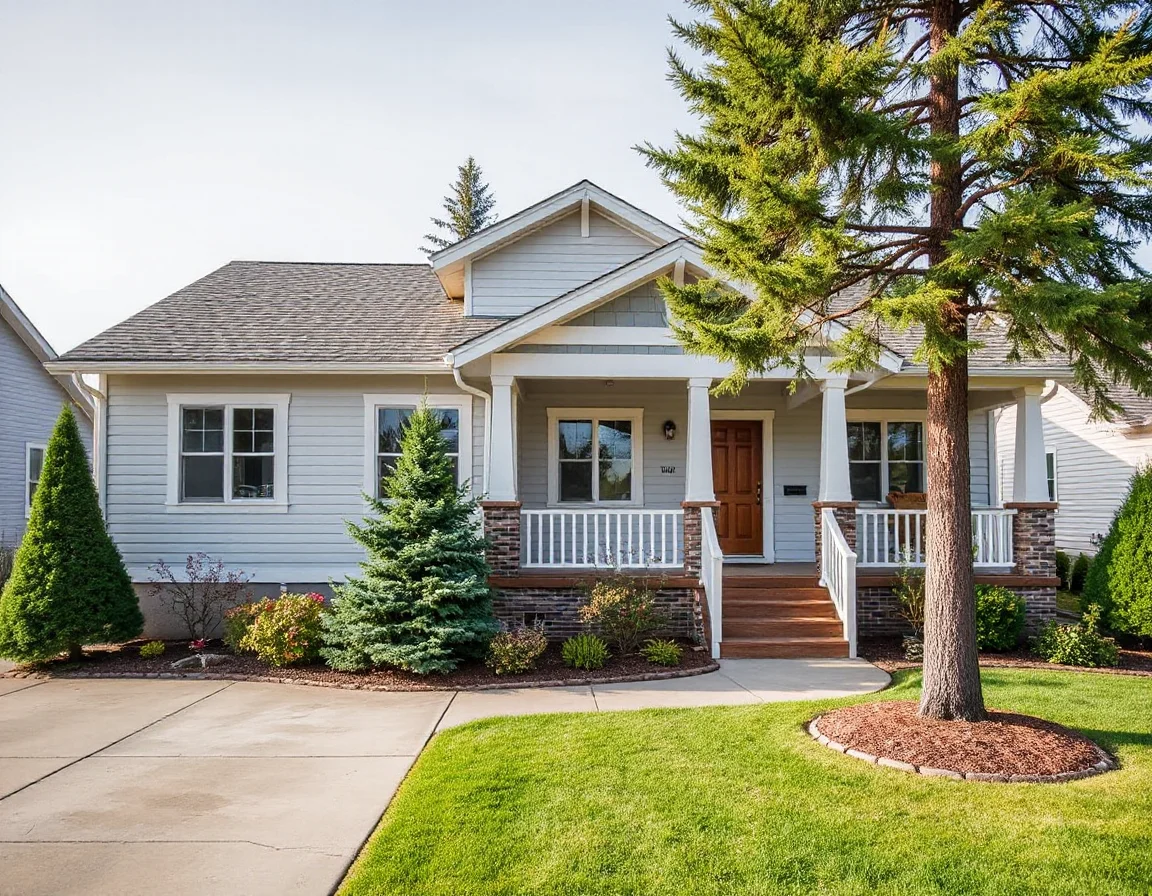
Curb appeal is not about making a property look like someone else’s home. It is about making the approach feel cared for, accessible, and easy to read. In North Idaho, changing weather and seasonal debris can quickly affect the appearance of walkways, decks, gutters, driveways, and landscaping. A weekend of exterior attention can make listing photos and in-person showings feel much more inviting.
Begin with the basics: clear branches and leaves, mow or trim as the season allows, edge visible planting beds, sweep the entry, and remove unused items from the porch and driveway. Store hoses, bins, tools, recreational equipment, and extra building materials when possible. If the property has a garage, shed, detached shop, or outbuilding, make sure the route to it is easy to follow and the door can be opened for a showing.
For homes with acreage or a larger lot, buyers benefit from visual cues that explain the property. Keep gates operable, define paths where appropriate, and make sure key features such as a patio, deck, garden area, fire pit, or usable outdoor space are visible. The objective is not to oversell the land; it is to help visitors understand how the site is arranged and what maintenance may look like.
A quick exterior check should include roofline debris, peeling paint, cracked concrete, loose fencing, porch lighting, and house numbers. If winter conditions are present, keep access routes reasonably clear and communicate any areas that require care. Professional photography benefits from a clean setting, but so do buyers arriving on a cloudy afternoon or during a seasonal weather change.
Make Interior Space Feel Useful, Bright, and Easy to Tour
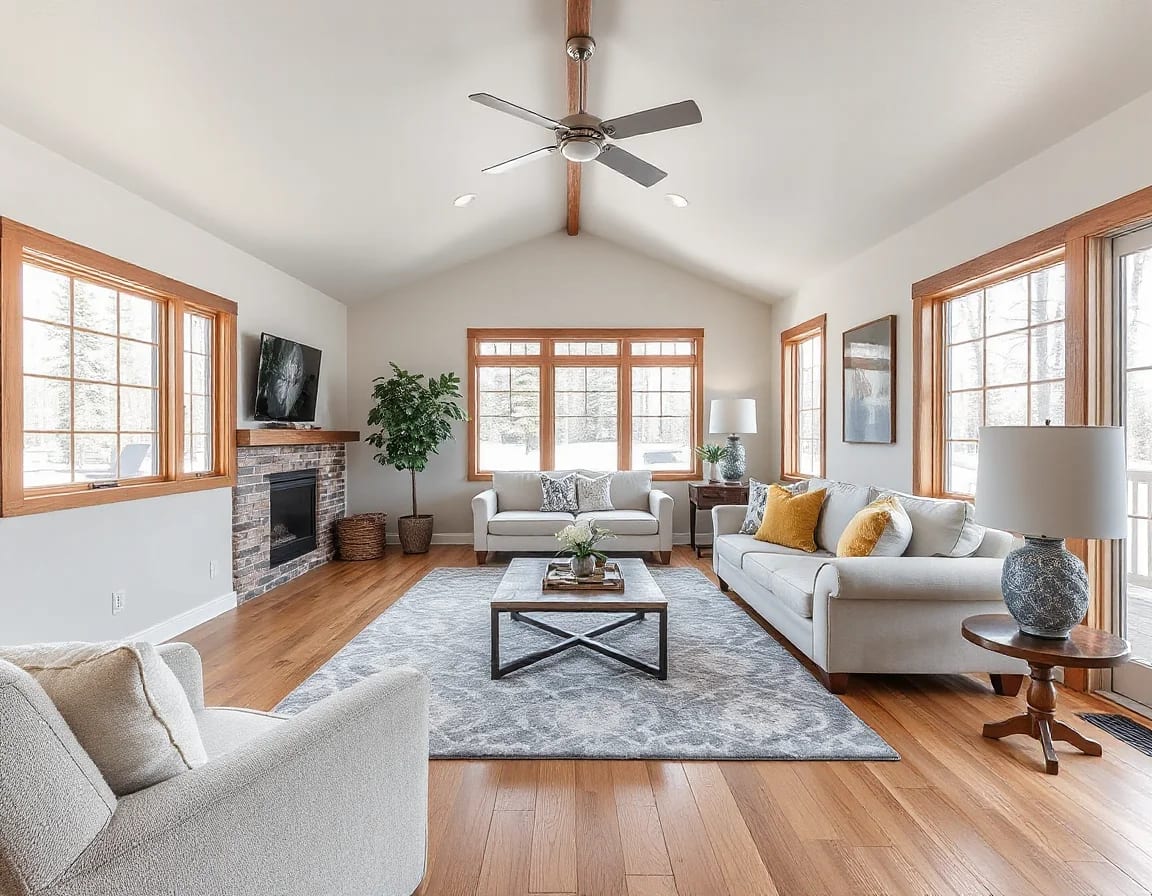
Once a buyer steps inside, the home should feel easy to move through. That starts with cleaning, but it also requires editing. Remove excess furniture that interrupts walkways, clear most surfaces, and make closets feel functional rather than overfilled. A lived-in home can still feel warm and personal while leaving enough visual space for visitors to notice the room itself.
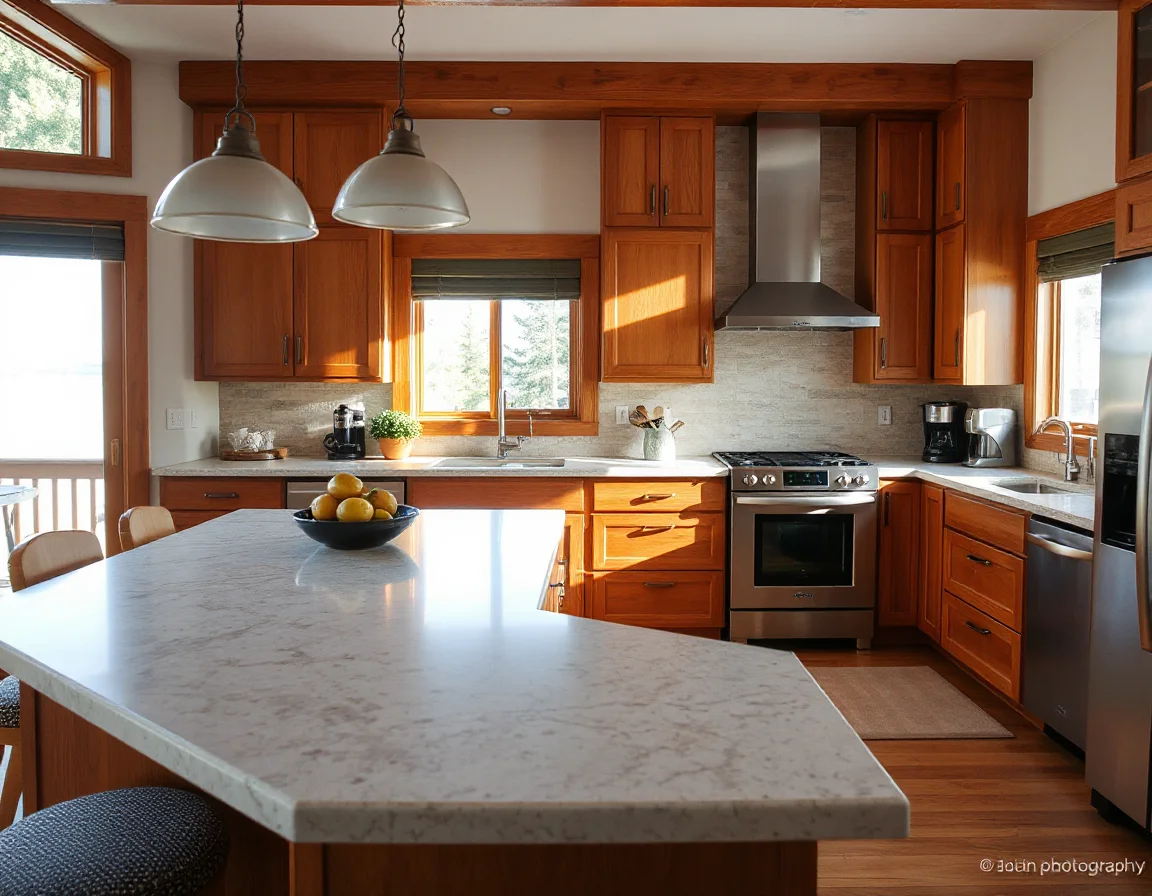
Light has an outsized effect on a showing. Open window coverings, clean the glass, replace mismatched bulbs, and use bulbs with a consistent color temperature where possible. Turn on lamps in darker corners and check rooms at the time of day they are most likely to be shown. A bright, orderly room helps buyers notice layout, storage, finishes, and views without working around shadows or clutter.
Kitchens and bathrooms deserve an extra layer of attention because buyers tend to inspect them closely. Clear counters except for a few simple items, clean appliances inside and out, polish fixtures, and remove personal toiletries. In the kitchen, make pantry shelves and cabinets easy to open. In bathrooms, fresh towels and a clean mirror can make an immediate difference without requiring a large expense.
Consider the practical areas too. Laundry rooms, utility closets, basements, garages, and storage areas should be clean, lit, and accessible. These spaces often contain the systems buyers want to review, and a clear route helps them do so without shifting boxes or navigating stored belongings. If there are pet supplies, strong scents, or air fresheners, use a lighter touch; fresh air and a clean environment are generally more effective.
Photos create the first impression, but showings confirm it. Clear pathways, working lights, and accessible storage help visitors spend their time understanding the home instead of navigating around it.
Price and Presentation Work Best Together
Preparation is not limited to paint colors and landscaping. The listing strategy should connect the home’s condition, recent improvements, location, lot characteristics, and current competition. Pricing too far ahead of comparable options can reduce early interest, while pricing without accounting for needed repairs or unique features can leave important value unexplained. A local review of active, pending, and recently sold properties provides a more useful starting point than a general online estimate alone.
Be ready to discuss improvements in straightforward terms. Rather than using broad claims, identify what was completed, approximately when it was done, and whether documentation is available. For example, noting a roof replacement, updated heating equipment, refreshed flooring, or serviced septic system can help buyers understand the home’s maintenance history. Accuracy matters: clear facts build confidence and reduce confusion later in the transaction.
Showings also benefit from a simple routine. Keep the home at a comfortable temperature, secure valuables and medications, make beds, empty trash, and plan a quick reset for counters and pet areas. If possible, allow visitors room to view the property without the owner present. That gives them time to consider the layout and ask questions through their real estate professional.
Preparing a home for sale can feel like a long checklist, but the process becomes manageable when handled in order: repair, clean, edit, photograph, price, and maintain. The result is a property that feels transparent, cared for, and ready to be considered in the North Idaho market.