


A thoughtful North Idaho home search begins before the first showing. By defining the daily routines, property features, location details, and financial guardrails that matter most to you, you can compare listings with more confidence and spend your time on homes that genuinely fit your goals. These five practical steps can help make the process more focused from Sandpoint to the surrounding North Idaho communities.
Start With the Way You Want to Use the Property
North Idaho offers a broad mix of housing options, from in-town residences and low-maintenance condominiums to acreage properties, waterfront settings, cabins, and newer construction. Before opening a search portal, take a few minutes to think beyond bedroom count and square footage. Consider how you expect to use the home day to day: workspace needs, storage, parking, outdoor maintenance, accessibility features, entertaining areas, hobby space, and room for equipment can all shape a search in meaningful ways.
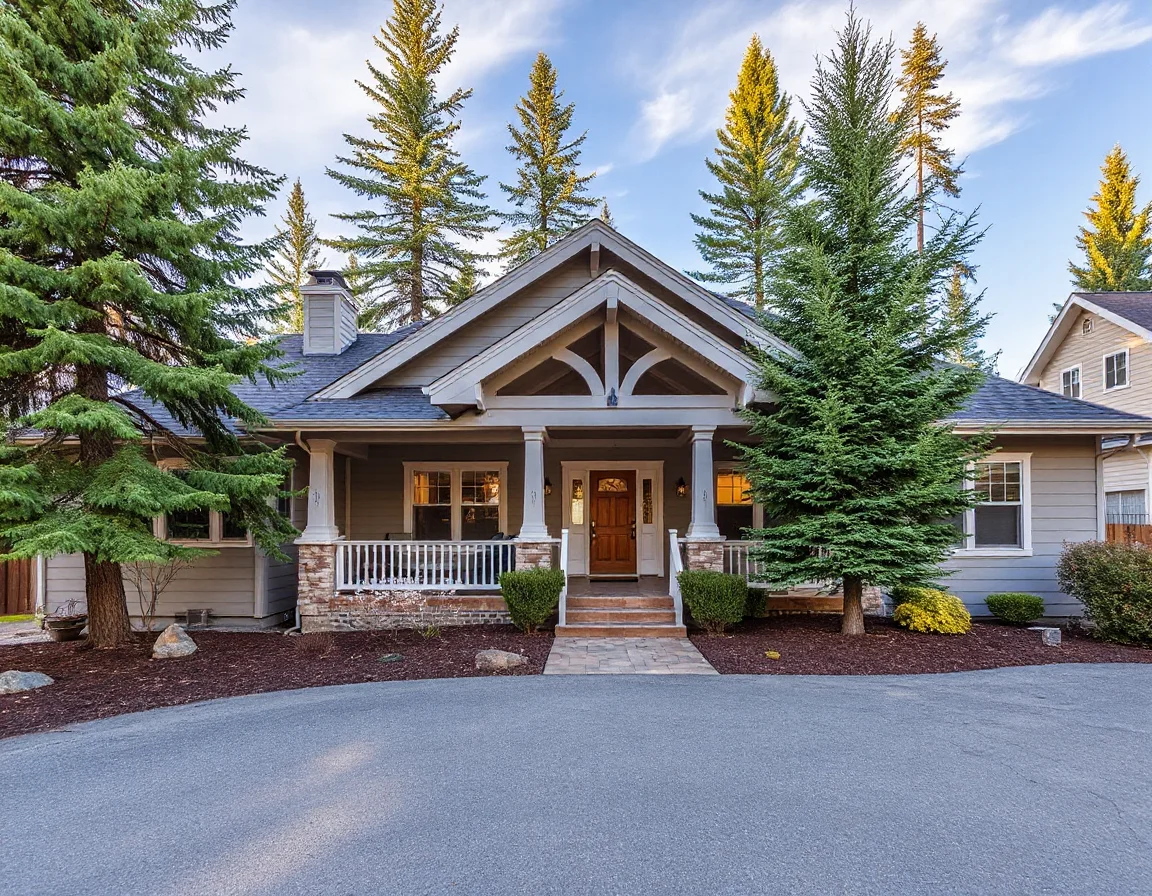
Build two lists instead of one. The first should include non-negotiables, such as a minimum number of bedrooms, a preferred budget range, or a driveway that accommodates your vehicles. The second can include flexible preferences, perhaps a wood-burning fireplace, a view, a garden area, a workshop, or a particular architectural style. That distinction makes it easier to assess a home objectively when an appealing photo gallery competes with practical considerations.
It also helps to think about each season. A sloped driveway, private well, septic system, forested parcel, shared road, deck, or rural access route may deserve a closer look in North Idaho’s changing weather. Ask how a property performs during winter, where snow is stored, what regular maintenance is expected, and whether utility costs vary substantially through the year. These are not reasons to rule out a home; they are details that help you plan accurately.
For properties outside city services, request information about water source, sewer or septic arrangements, road maintenance, internet availability, easements, and any recorded covenants early in the process. A home can be beautiful and still require a different ownership routine than a residence on a smaller in-town lot.
A listing’s acreage total tells only part of the story. Usable outdoor space, terrain, driveway configuration, vegetation, and maintenance demands often matter more than the number of acres alone.
Set a Search Area, Then Learn Its Details
It is easy to draw a large circle around North Idaho, but local geography can make one side of that circle feel very different from another. Compare travel routes, road conditions, nearby services, recreation access, elevation, and the setting you prefer. Sandpoint, for example, offers access to Lake Pend Oreille, a walkable central area, regional services, and nearby mountain recreation, while surrounding areas may offer different lot sizes, views, and levels of privacy.
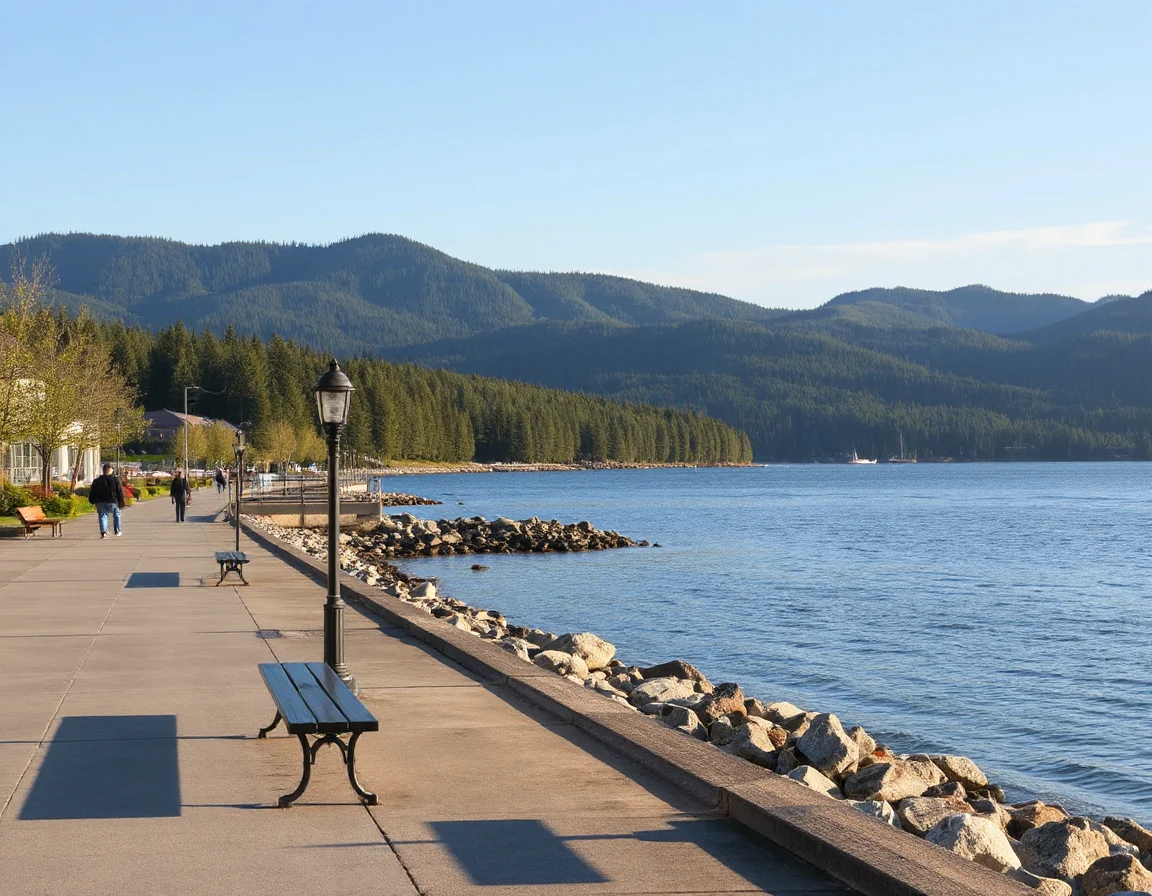
When reviewing a location, use more than a map pin. Drive or explore the route at the time of day that resembles your regular schedule. Notice road width, turn lanes, traffic patterns, rail crossings, terrain, and the time it takes to reach places you expect to visit frequently. If a property is near water, hills, open land, or a busier route, observe the setting in person rather than relying only on listing descriptions.
Local amenities can be part of the equation as well. North Idaho residents and visitors enjoy access to trails, public waterfront areas, farmers markets, art events, golf, skiing, boating, and community gatherings depending on the season and location. Keep the conversation factual: identify the amenities you value, measure practical distance and access, and decide how those features support your own routine.
It is also useful to research applicable zoning, planned development, HOA documents, short-term rental rules where relevant, and nearby public projects. Your real estate professional can help you identify questions to ask, while county and city records can provide additional documentation. The goal is not to predict every future change; it is to make an informed decision using the information available.
Explore Sandpoint area information
Get Financially Ready Before the Right Listing Appears
In a changing market, preparation creates options. Speak with a qualified lender before making a serious offer so you understand a comfortable purchase range, estimated payment, available loan programs, down payment choices, and funds needed for closing. A pre-approval can also help you move efficiently when a property worth pursuing comes on the market.
Look beyond the purchase price when setting your budget. Property taxes, insurance, utilities, HOA dues, maintenance, inspections, lender fees, and potential repairs should all have a place in your planning. For rural or specialty properties, the cost of maintaining a longer driveway, outbuildings, a well, septic system, trees, docks, or snow removal may be relevant. Planning for these items lets you compare homes on a more complete basis.
Try not to let online estimates make the decision for you. Automated values can be helpful starting points, but they may not fully reflect updates, site conditions, view corridors, waterfront characteristics, acreage usability, or the condition of comparable homes. A local market review is especially valuable when properties vary widely from one block or parcel to the next.
Tour With a Repeatable Checklist
Showings can move quickly, and memorable features can make it hard to remember the practical details of each home. Bring a simple checklist and take notes immediately after every tour. Include items such as roof age, heating type, window condition, natural light, storage, room flow, parking, drainage, exterior maintenance, noise, and any questions for follow-up.
Pay attention to what you cannot easily change. A kitchen finish can be updated over time, but access, site orientation, lot configuration, nearby uses, and the home’s relationship to the street are more lasting considerations. If the property has a view, walk the site and ask whether trees, neighboring structures, easements, or seasonal conditions affect what you see.
Inspection is another essential stage, not a formality. A professional inspection can help identify visible conditions and maintenance items so you can better understand the property. Depending on the home, additional evaluations for septic systems, wells, radon, pests, roofs, chimneys, or other components may be appropriate. Your purchase agreement, local practices, and professional guidance will help shape the right due-diligence plan.
Use Current Information and Keep a Clear Decision Process
Online listings are a useful starting point, but availability and pricing can change quickly. Save searches that reflect your true priorities, review new listings consistently, and ask for context when a property catches your attention. A knowledgeable local agent can help explain comparable sales, market activity, property disclosures, offer terms, and the timeline attached to a particular listing.
RE/MAX in Action and Jan Dyer bring a local North Idaho market focus to the search process, particularly in Sandpoint and nearby communities. Direct communication matters when you are weighing details, arranging showings, or deciding how to respond to new information. The best search experience is not about seeing every available home; it is about identifying the homes that align with your budget, property goals, and preferred location factors.
Keep your decisions grounded in the criteria you established at the beginning. A home search can include excitement, uncertainty, and a few surprises, but a clear checklist, timely research, and professional guidance can turn a large set of possibilities into a manageable path forward. When the right opportunity appears, you will be ready to evaluate it with confidence rather than urgency alone.